

Meet The Mountain Gorillas
Ticked off in September 2019
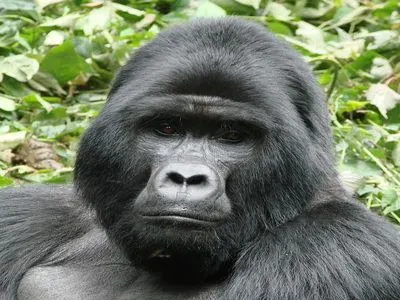
Trek up a volcano through bamboo and nettles to spend one silent hour a few metres from a silverback and his family.
The adventure
The day starts before dawn at park headquarters, with traditional dancers, coffee and a briefing on gorilla etiquette. Trackers have already gone ahead to find the family you've been assigned, and you follow them up through farmland, over a stone wall and into the forest on the slopes of the Virungas, slipping on mud and pushing through stinging nettles.
Then the guide raises a hand. You leave your bags and poles behind and step into a clearing where a silverback, easily twice the weight of a big man, is stripping bamboo shoots and ignoring you completely. Youngsters tumble over each other, a mother cradles a tiny baby, and every so often a deep rumble comes from somewhere in the leaves. The hour goes impossibly fast. Nobody talks much on the walk down.
Why it’s epic
- Only around 1,000 mountain gorillas survive, all in the Virunga volcanoes and Uganda's Bwindi Impenetrable Forest.
- Each habituated family can be visited by no more than eight people a day, for just one hour.
- Adult silverbacks can weigh around 200 kg, yet spend most of the day calmly eating.
- In Rwanda, Volcanoes National Park is only around two and a half hours' drive from Kigali.
What it is
Around half of the world's mountain gorillas live in the Virunga volcanoes and Bwindi.
How to do it
Buy a gorilla-trekking permit from the Rwanda Development Board or Uganda Wildlife Authority, then trek with rangers to spend an hour with a habituated family.
Top tip
Permits are limited and expensive, so book months ahead.
Need to know
- Permits are limited and sell out months ahead for June to September; book them before flights.
- Minimum age is 15, and you can't trek if you're ill, as gorillas catch human colds and flu.
- Treks take anything from one to several hours on steep, muddy ground at altitude; local porters can carry your bag and help you up.
- Rwanda's permits cost far more than Uganda's, which is why many travellers trek in Bwindi instead.
Plan this trip
- Rough cost
- £2,000 to £5,000 per person, including flights from the UK
- Time needed
- 1 day
- Best time to go
- June to September, December to February
- Fly into
- KGL airport
The permit is the big cost, especially in Rwanda, before you add flights, a driver-guide and a lodge.
Do it yourself
- Small-group adventuresMuch Better AdventuresActive small-group trips run by local experts.
- Tours and ticketsGetYourGuide
- FlightsKiwi.com
Some of these are affiliate links: if you book through them I may earn a small commission, at no extra cost to you. More about this.
Kit I'd pack
Gorilla treks go through thick, wet forest, sometimes for hours. Dress for mud and nettles.
- Gardening glovesAmazonFor grabbing branches and stinging nettles on steep slopes.
- Packable waterproof jacketAmazonIt's a rainforest. It will rain.
- GaitersAmazonKeeps mud and ants out of your boots.
- 50% DEET insect repellentAmazonThe forest is full of biting things.
As an Amazon Associate I earn from qualifying purchases, at no extra cost to you. More of my travel kit.
My experience
Gorillas are ground-dwelling, predominantly herbivorous apes that inhabit the forests of central Sub-Saharan Africa. They are divided into two species: the Eastern Gorillas and the Western Gorillas (both critically endangered), and either four or five subspecies.
They are the largest living primates The DNA of gorillas is highly incredibly similar to Human DNA – 95–99% depending on what is counted, and they are the next closest living relatives to the human.
Comments