
Country visited City visited Still to go Click a pin or country to read more. Zoom with + and −, a double-click or a pinch.

Before you go
My adventures in Antarctica
My own trips, races and stories from Antarctica, 2024–2025.
and 6 more
Zodiacs in Antarctica #3 on my wildlife by boat top 25 · Whale watching in the Southern Ocean #8 on my wildlife by boat top 25 · A polar plunge #10 on my adrenaline top 25 · Antarctica by expedition ship #4 on my great journeys top 25 · The Drake Passage to Antarctica #1 on my sea journeys top 25 · Antarctica Marathon #5 on my bucket list races top 15Shorts and Reels from Antarctica
Sailing the Lemaire Channel on New Year's Eve
Lemaire Channel, AntarcticaThe most wildlife-packed island on earth
South GeorgiaPenguins of Antarctica and South Georgia (sound on)
South Georgia, the Falklands and AntarcticaEvery penguin I saw on one trip
The Falklands, South Georgia and AntarcticaKing penguins up close
South GeorgiaFluffy king penguin chicks in South Georgia
South Georgia
My photos from Antarctica
2024–2025 Antarctica 2024/25
Southern Ocean, South Atlantic Ocean, Scotia Sea, 62° 54'S 62° 54'W, Elephant Island, 62° 55'S 60° 36'W, Deception Island, Ice Ice Baby and 2 more
Whole trip gallery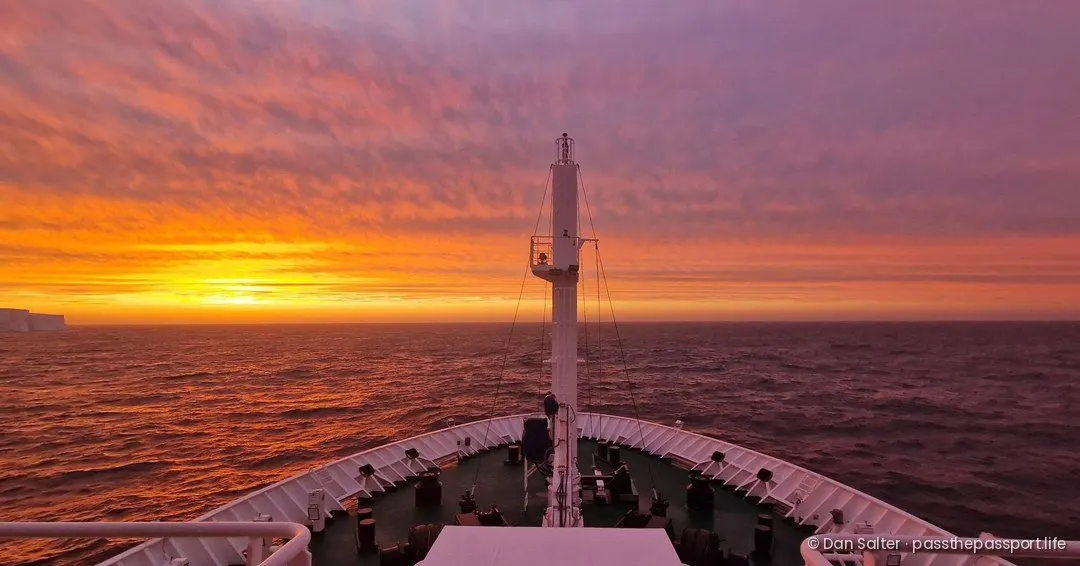
Overview
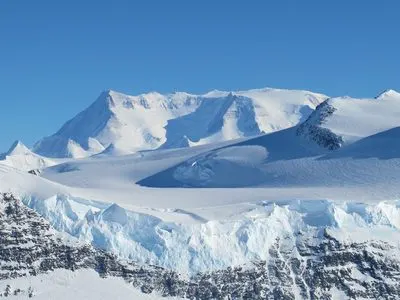
Antarctica is the world's southernmost continent, and the highest, driest, windiest and coldest one too. At about 14 million km² it's bigger than Europe, and around 98% of it is covered in ice that's almost 2 km thick on average. That ice holds roughly 70% of the world's fresh water.
Nobody lives here permanently. A few thousand scientists work at research stations in summer, far fewer through the winter, and no country owns it: the continent is shared under the Antarctic Treaty. Almost every visitor arrives by expedition ship to the Antarctic Peninsula, the long arm that reaches up towards South America.
History
People argued about whether a southern continent existed for centuries before anyone saw it. Captain Cook crossed the Antarctic Circle in the 1770s without spotting land, and the first confirmed sightings came in 1820. Sealers and whalers followed, and the hunting around South Georgia and the Peninsula was brutal: around 175,000 whales were processed at Grytviken alone.
The "heroic age" of exploration brought the race to the South Pole. Roald Amundsen got there first, on 14 December 1911, and Robert Falcon Scott's team arrived a month later and died on the way back. Ernest Shackleton's ship Endurance was crushed by sea ice in 1915. He left 22 men on Elephant Island, sailed a lifeboat 800 miles to South Georgia and crossed its mountains to get help, and every one of them survived.
In 1959, twelve countries signed the Antarctic Treaty, which keeps the continent for peace and science, bans military activity and mining, and freezes territorial claims. Many more countries have joined since.
Wildlife
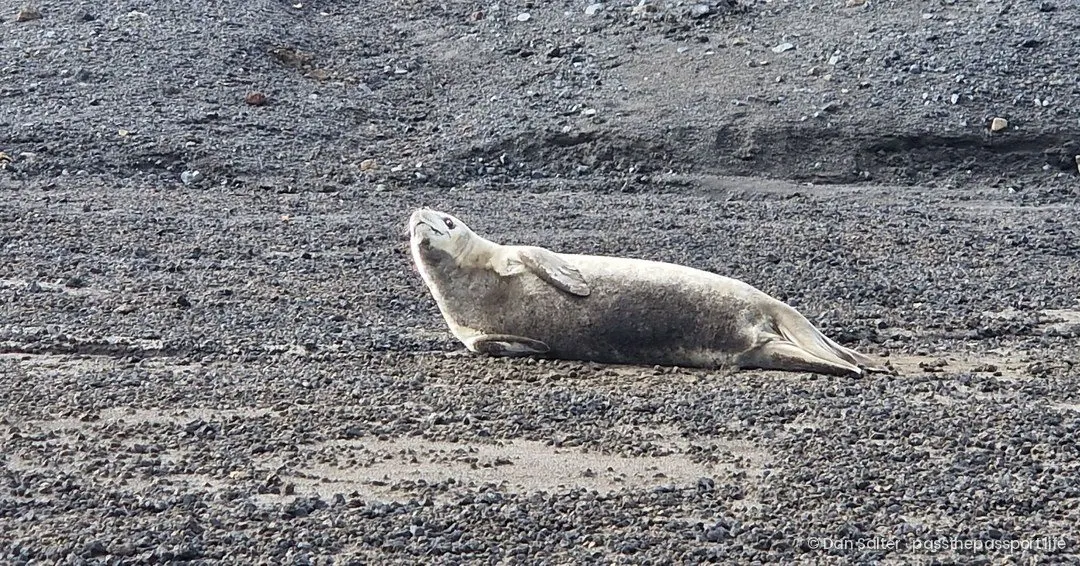
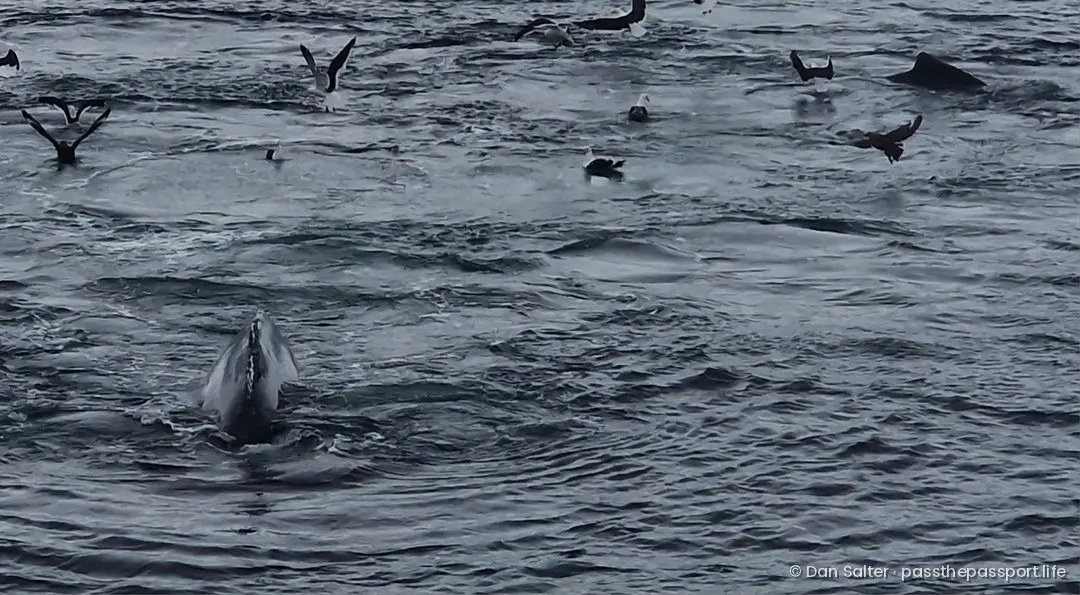
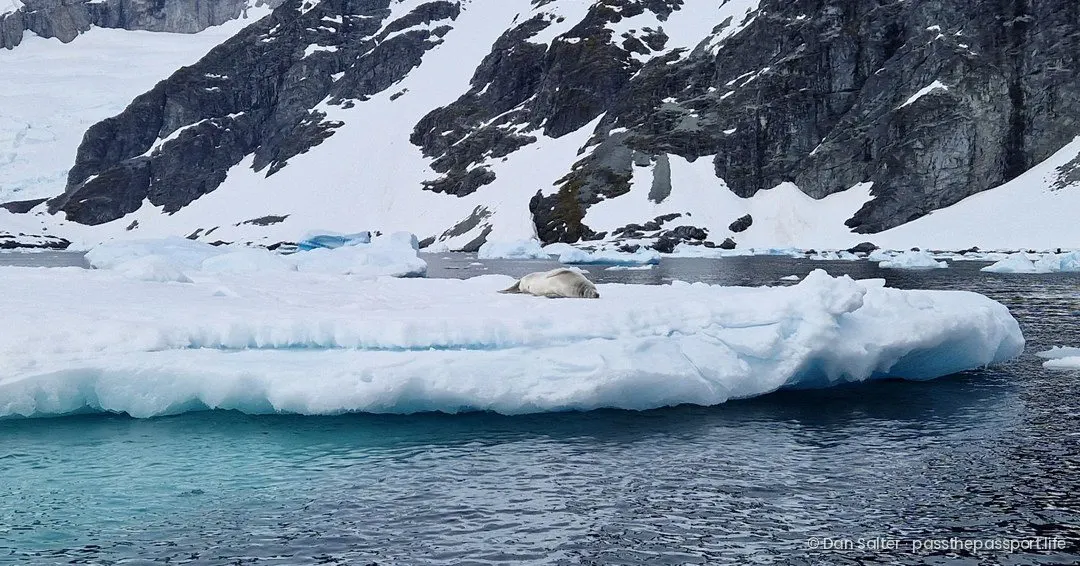
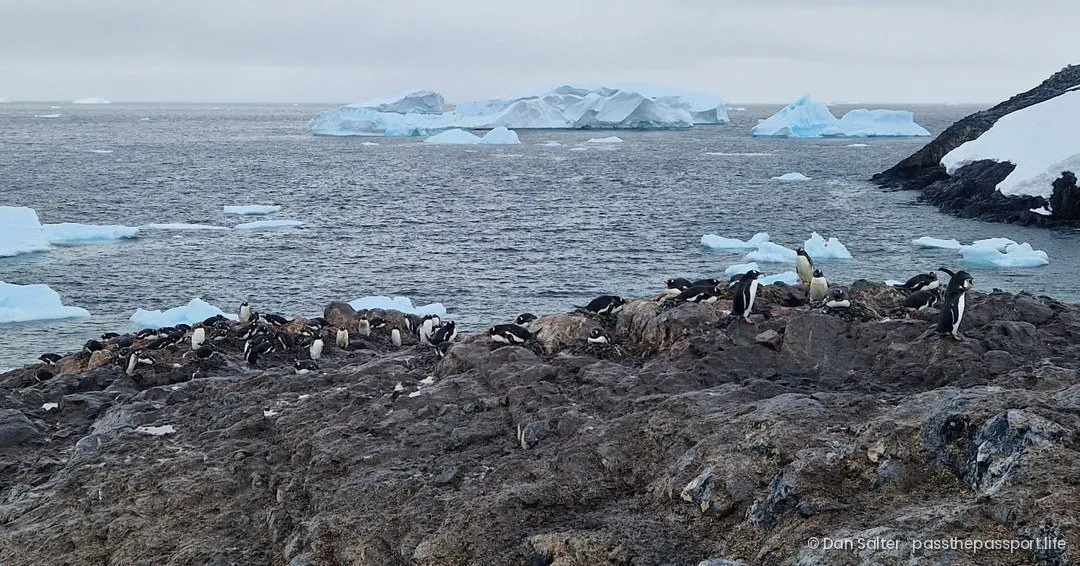
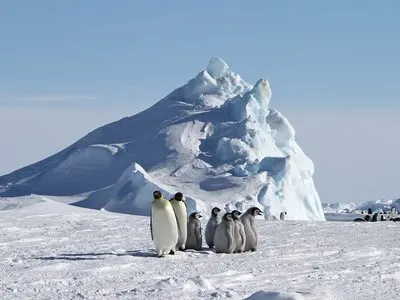
The land is almost lifeless, but the sea around it is one of the richest on Earth, all thanks to krill. On the Peninsula you'll see gentoo, Adélie and chinstrap penguins, Weddell, crabeater and leopard seals, and in summer humpback, minke and fin whales, plus orcas if you're lucky. Emperor penguins breed deep in the south on the sea ice and are rarely seen on Peninsula trips.
Most trips also stop at the sub-Antarctic islands on the way. South Georgia has some of the biggest king penguin colonies in the world, along with fur seals and enormous elephant seals, and the Falklands have rockhopper, Magellanic and gentoo penguins. Wandering albatrosses follow the ships for days.
Things to see
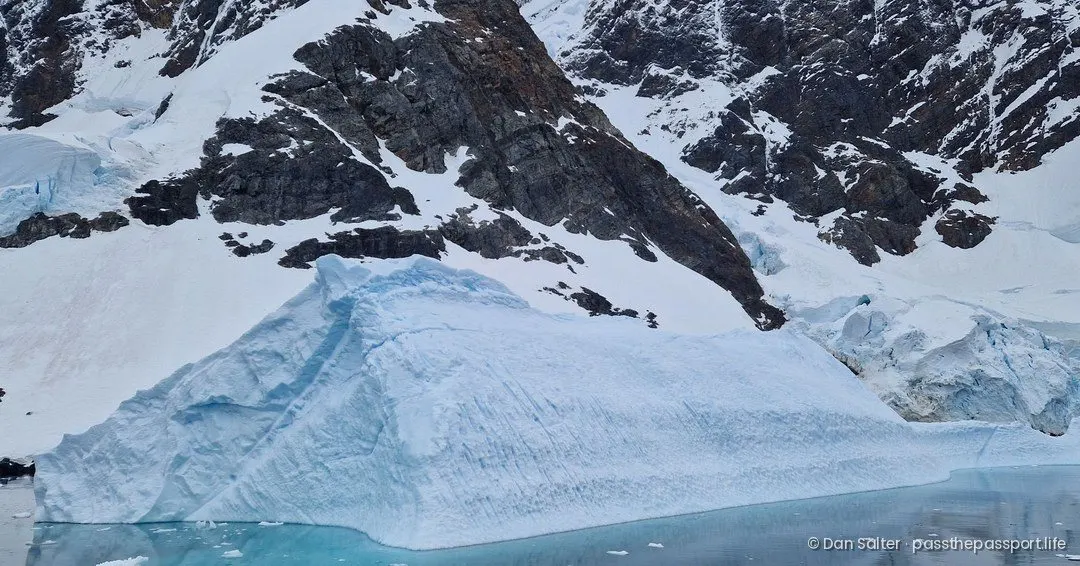
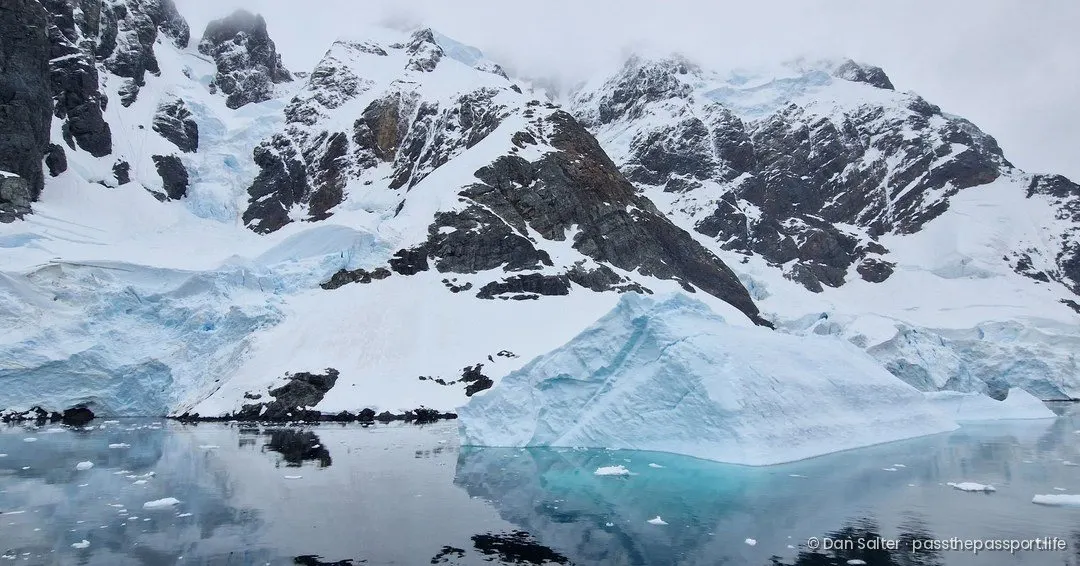
- The Lemaire Channel: a narrow passage between towering, snow-covered peaks, often so still the cliffs reflect perfectly in the water.
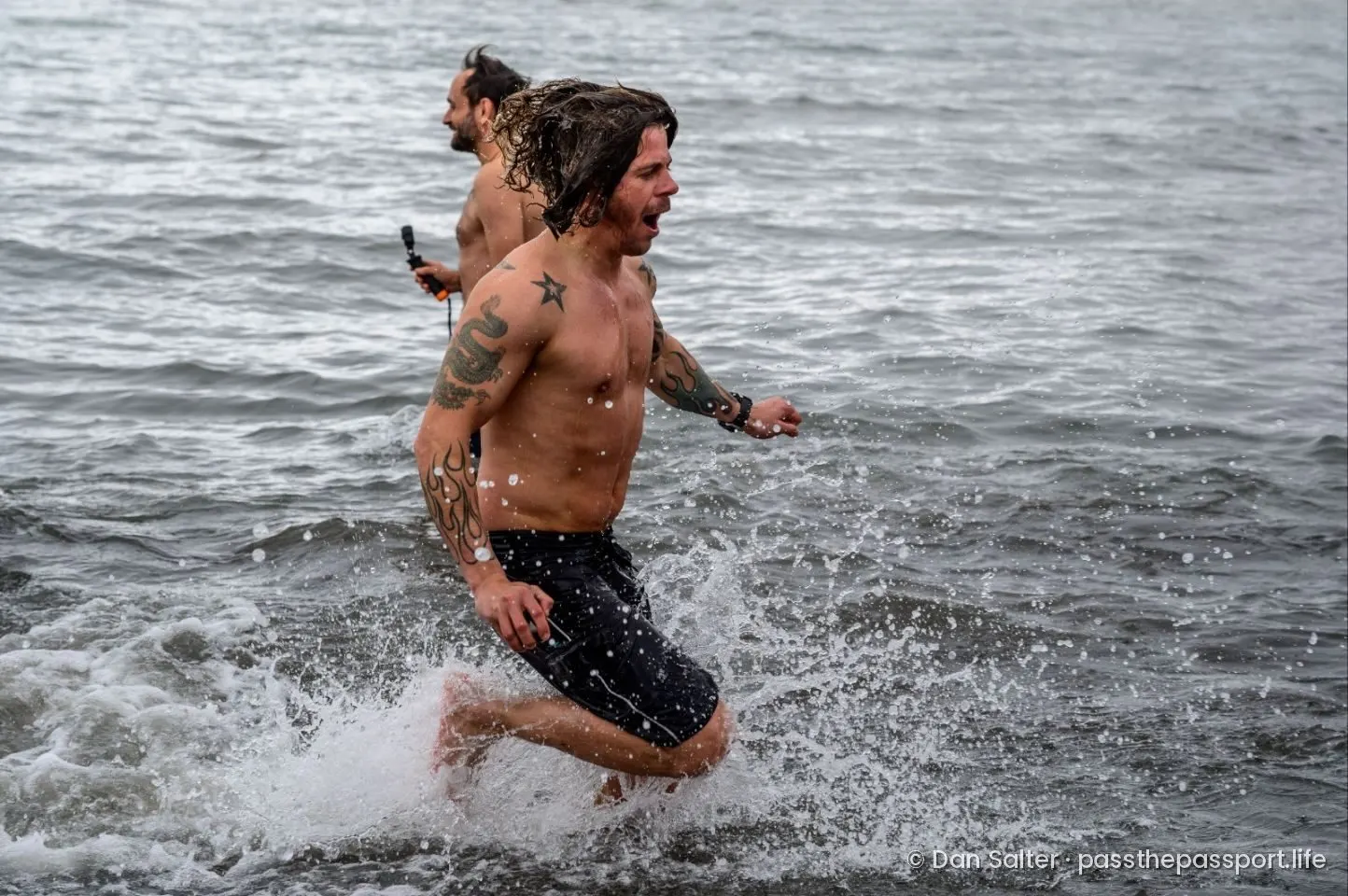
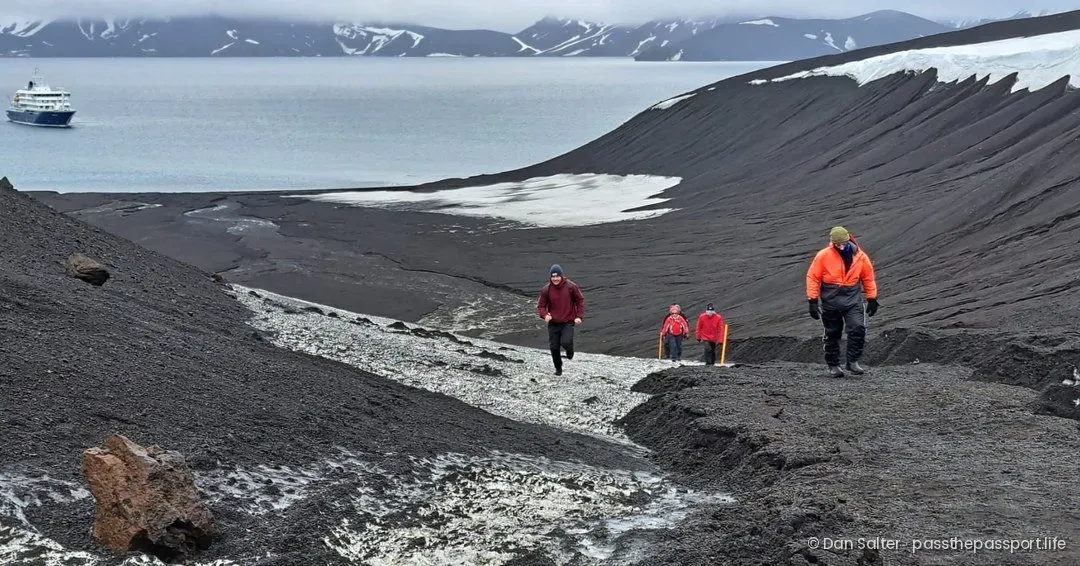
- Deception Island: a flooded volcanic caldera you sail into through a narrow gap called Neptune's Bellows, with old whaling ruins on the beach. It's the classic spot for a polar plunge.
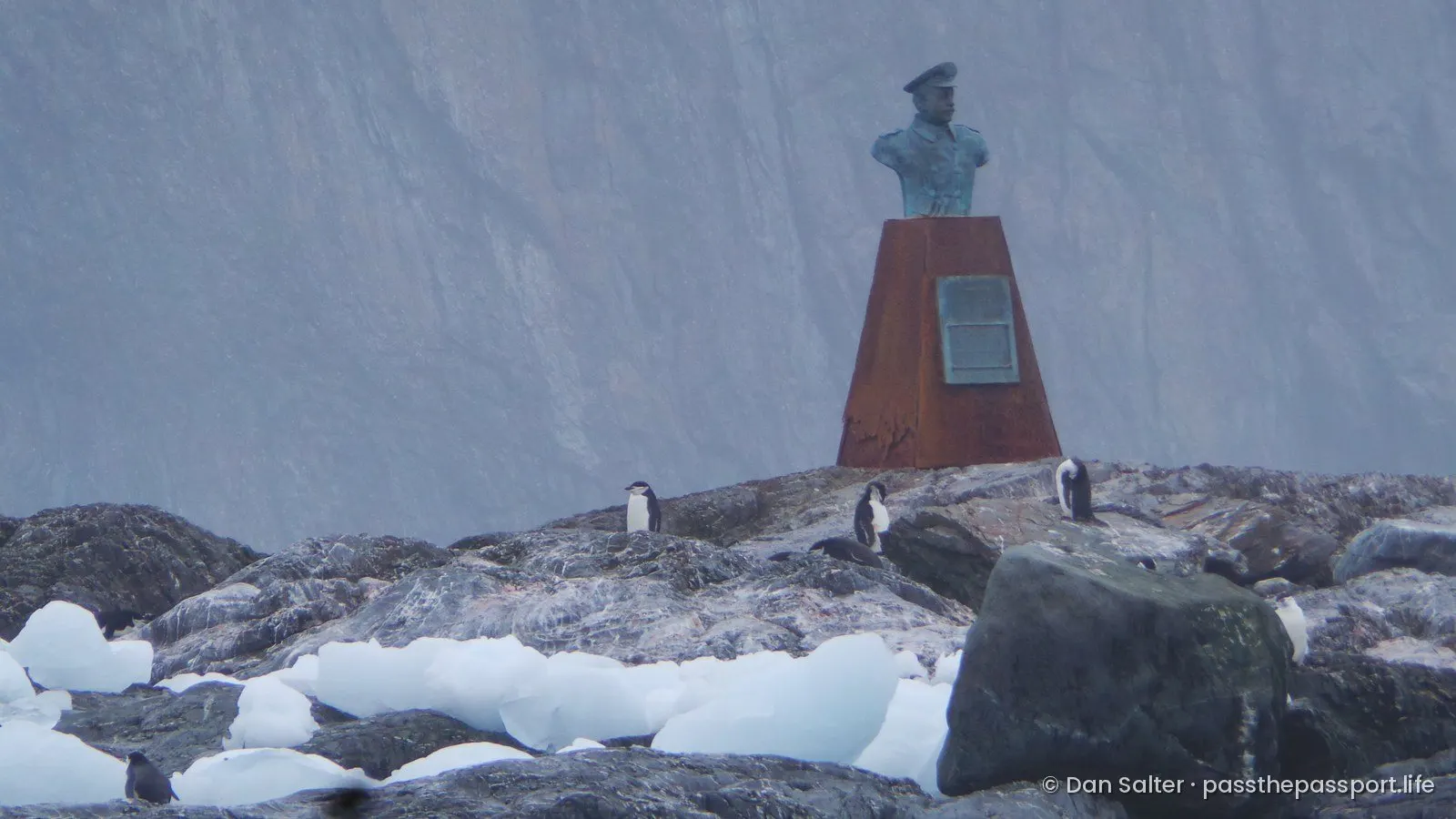
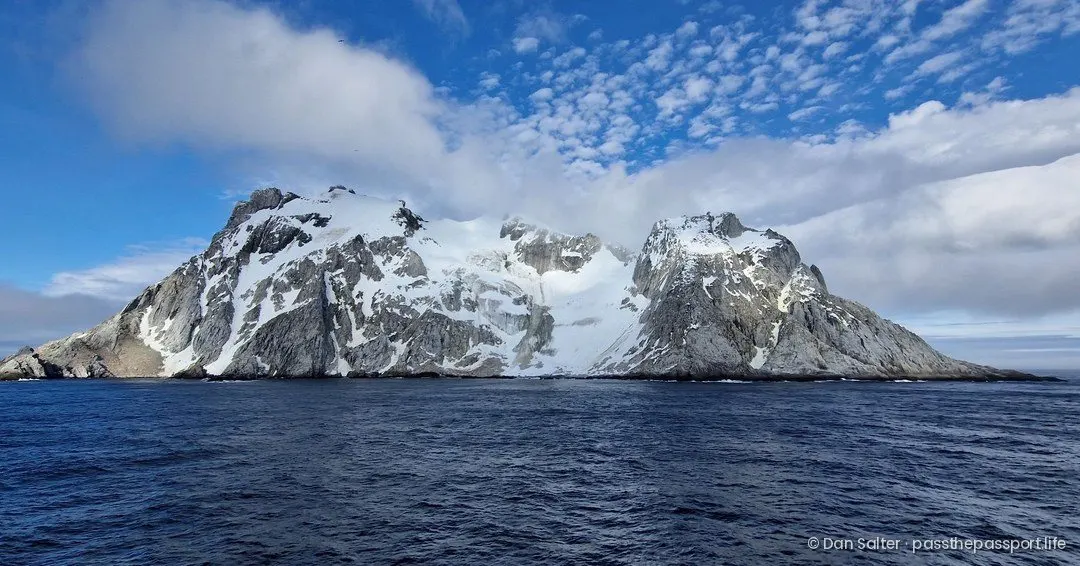
- Elephant Island and Point Wild: the bleak spit of rock where Shackleton's men waited four and a half months to be rescued.
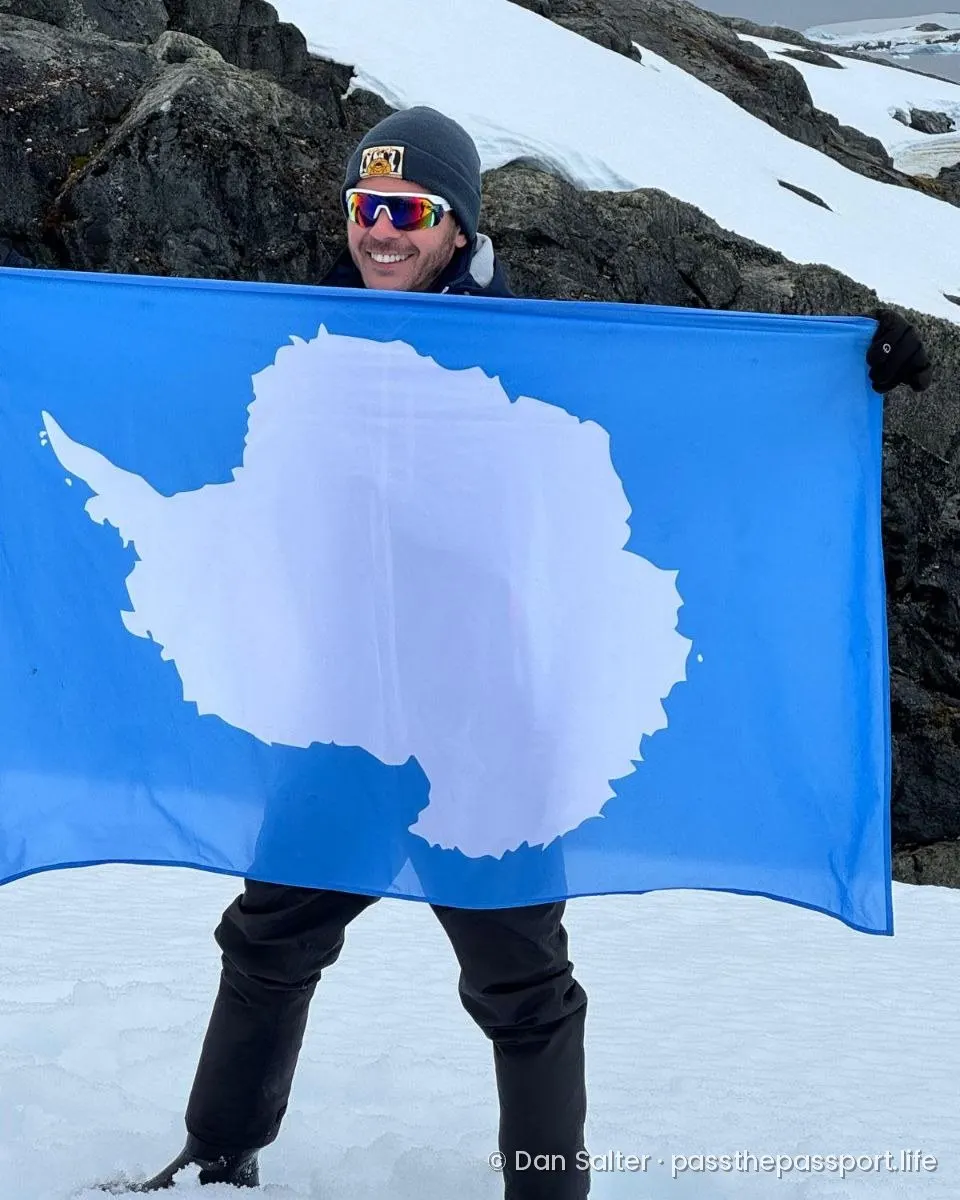
- The Antarctic mainland: landings like Cape Tuxen and Neko Harbour let you stand on the continent itself, not just its islands.
- Port Lockroy: a restored British base with a museum and a post office for sending postcards home.
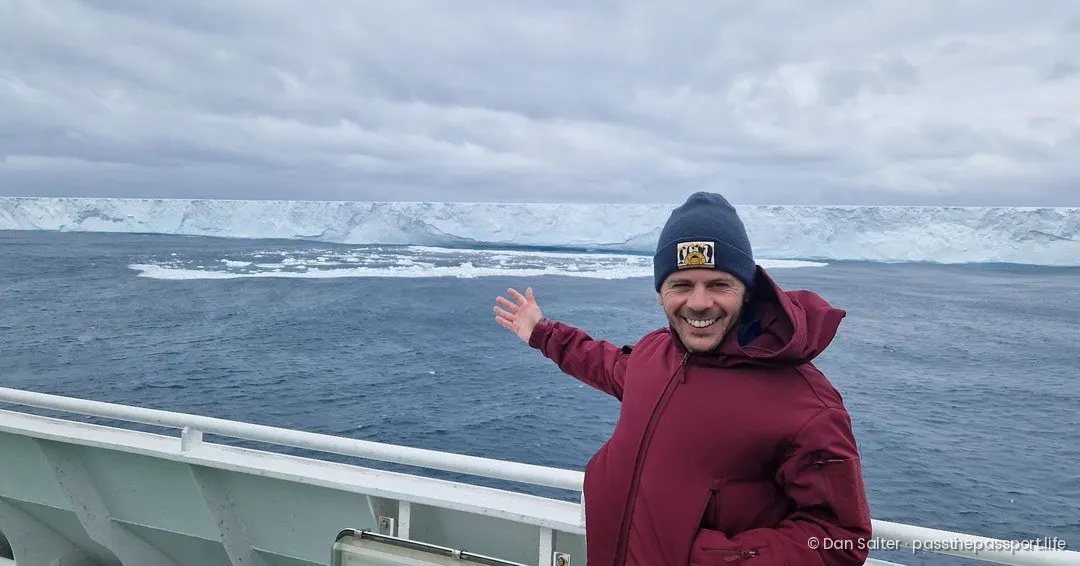
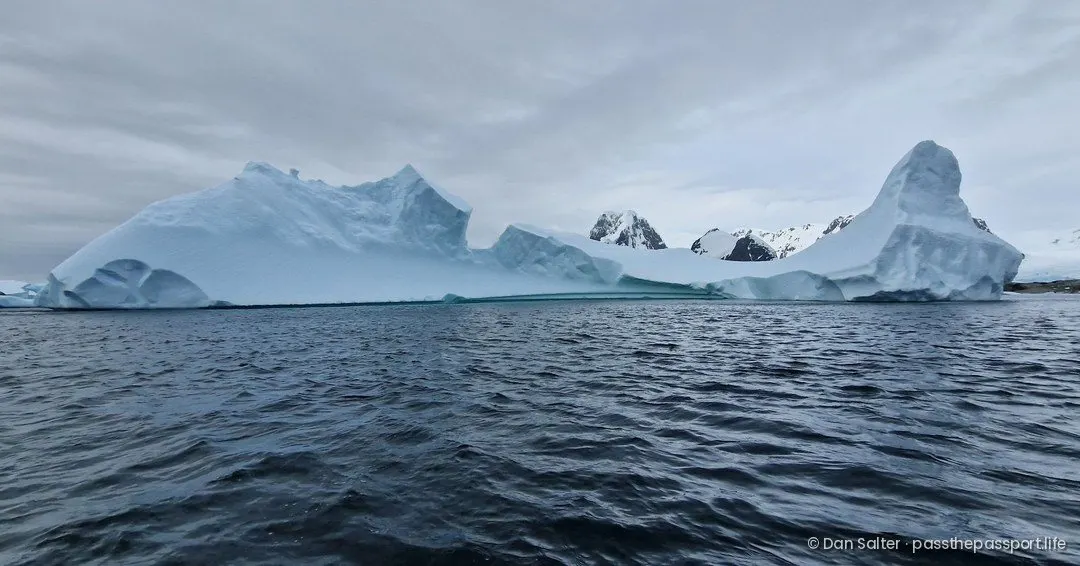
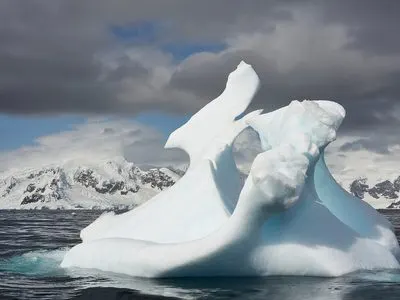
- Icebergs: tabular bergs the size of cities break off the ice shelves and drift north. A23a, one of the biggest in the world, started drifting again in 2020 after decades stuck on the seabed.
- South Georgia: not technically Antarctica, but on the way on longer trips: Grytviken whaling station, Shackleton's grave and the king penguins of St Andrews Bay and Gold Harbour.
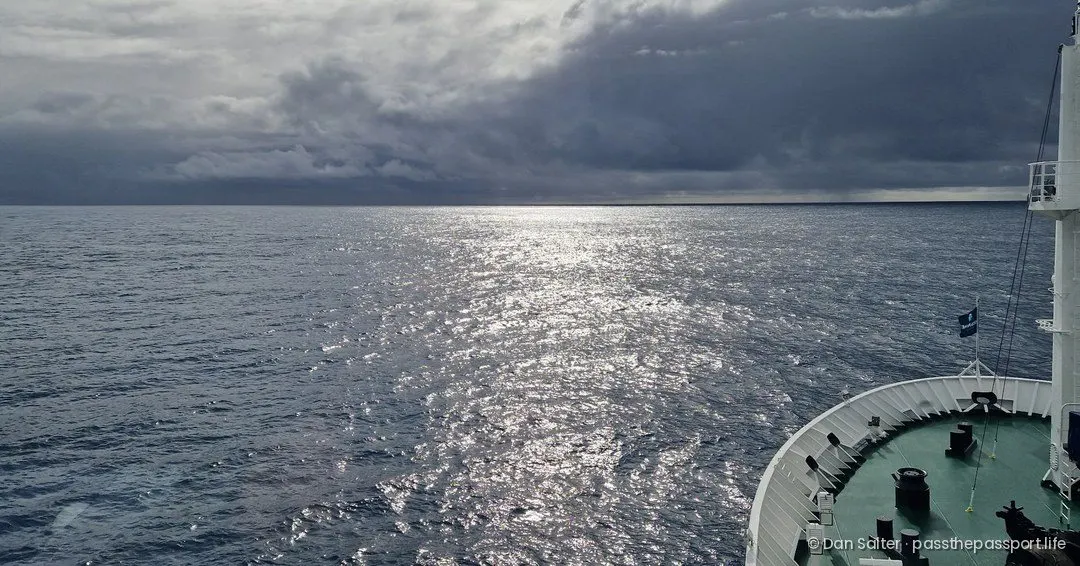
Trips run from November to March, the southern summer. Most leave from Ushuaia in Argentina and take around 10 days for the Peninsula, or about three weeks with the Falklands and South Georgia. Expect the Drake Passage to be rough: it's the price of admission.
My trip
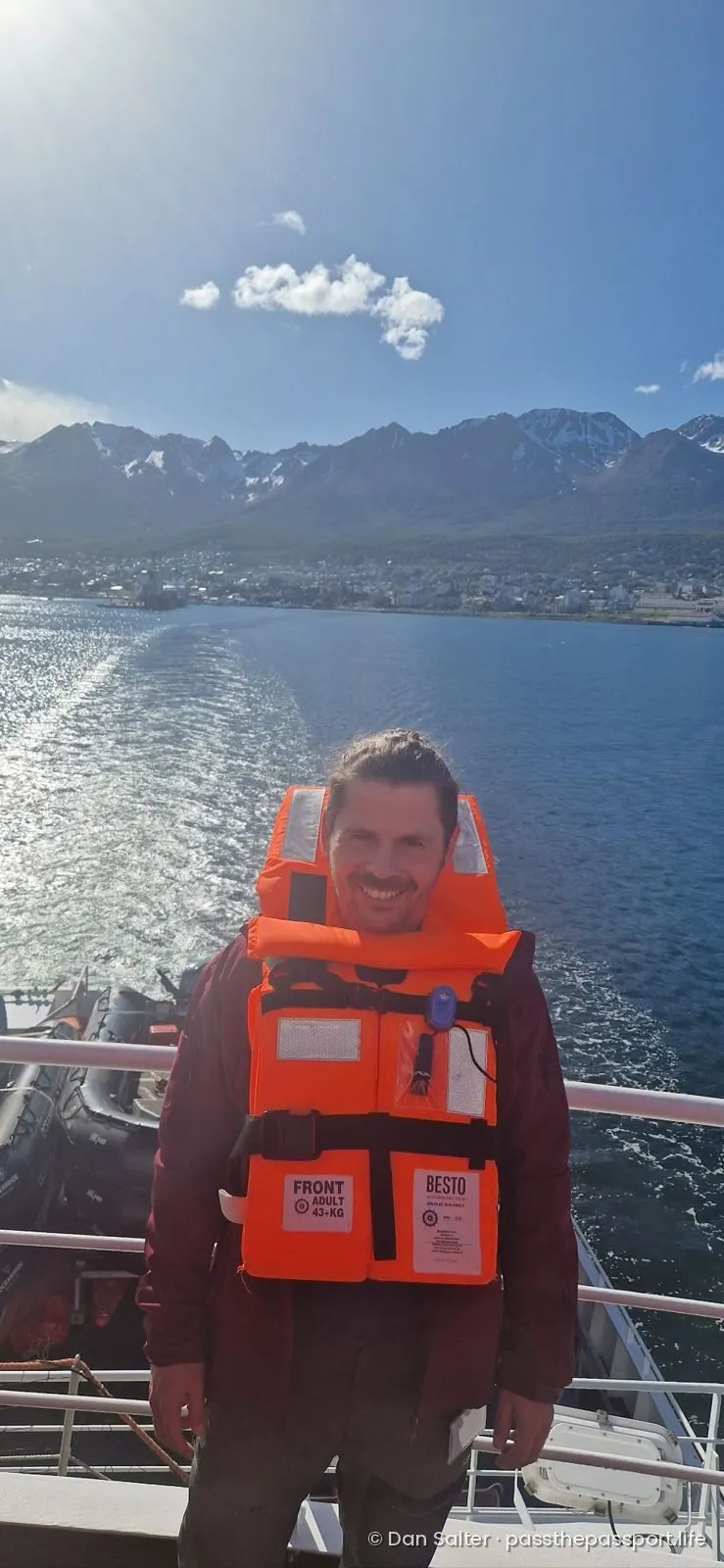
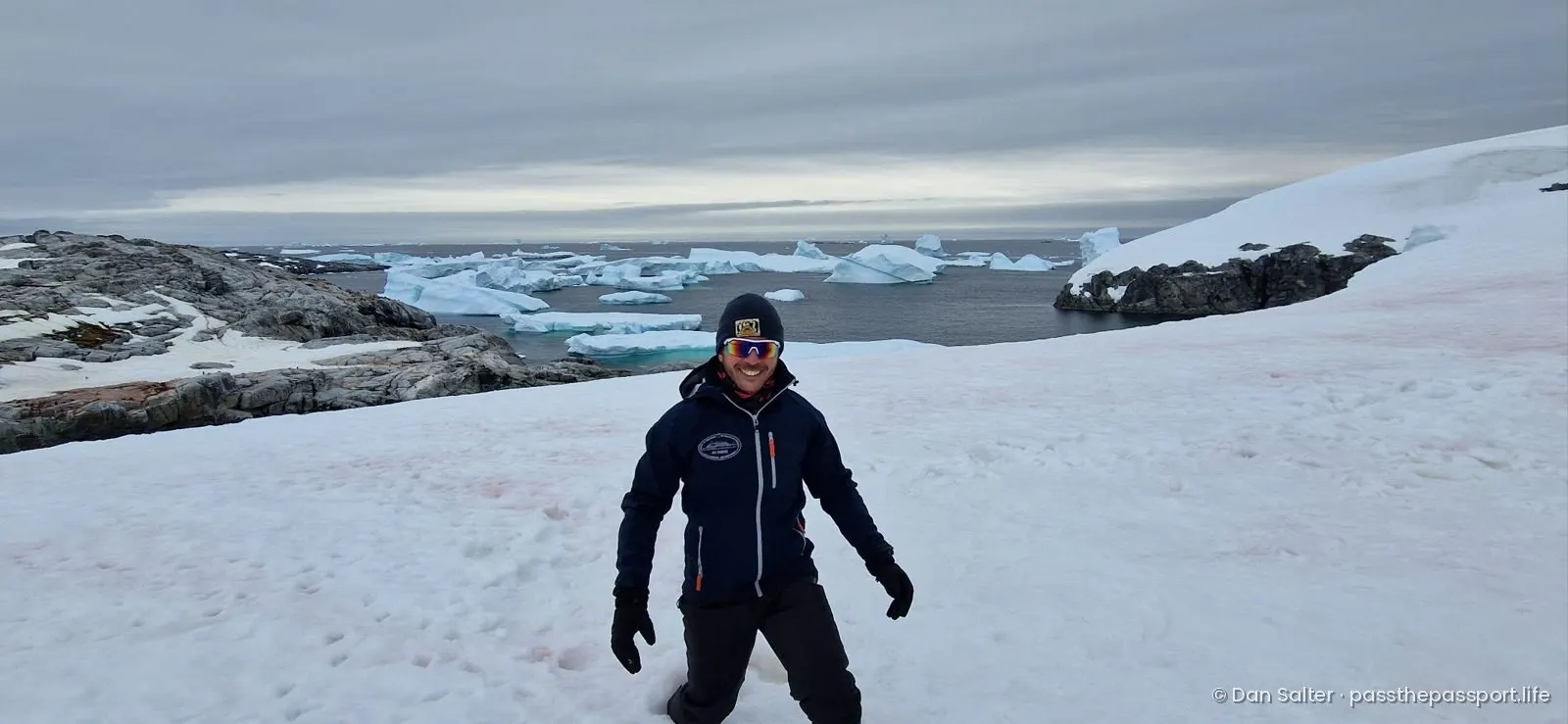
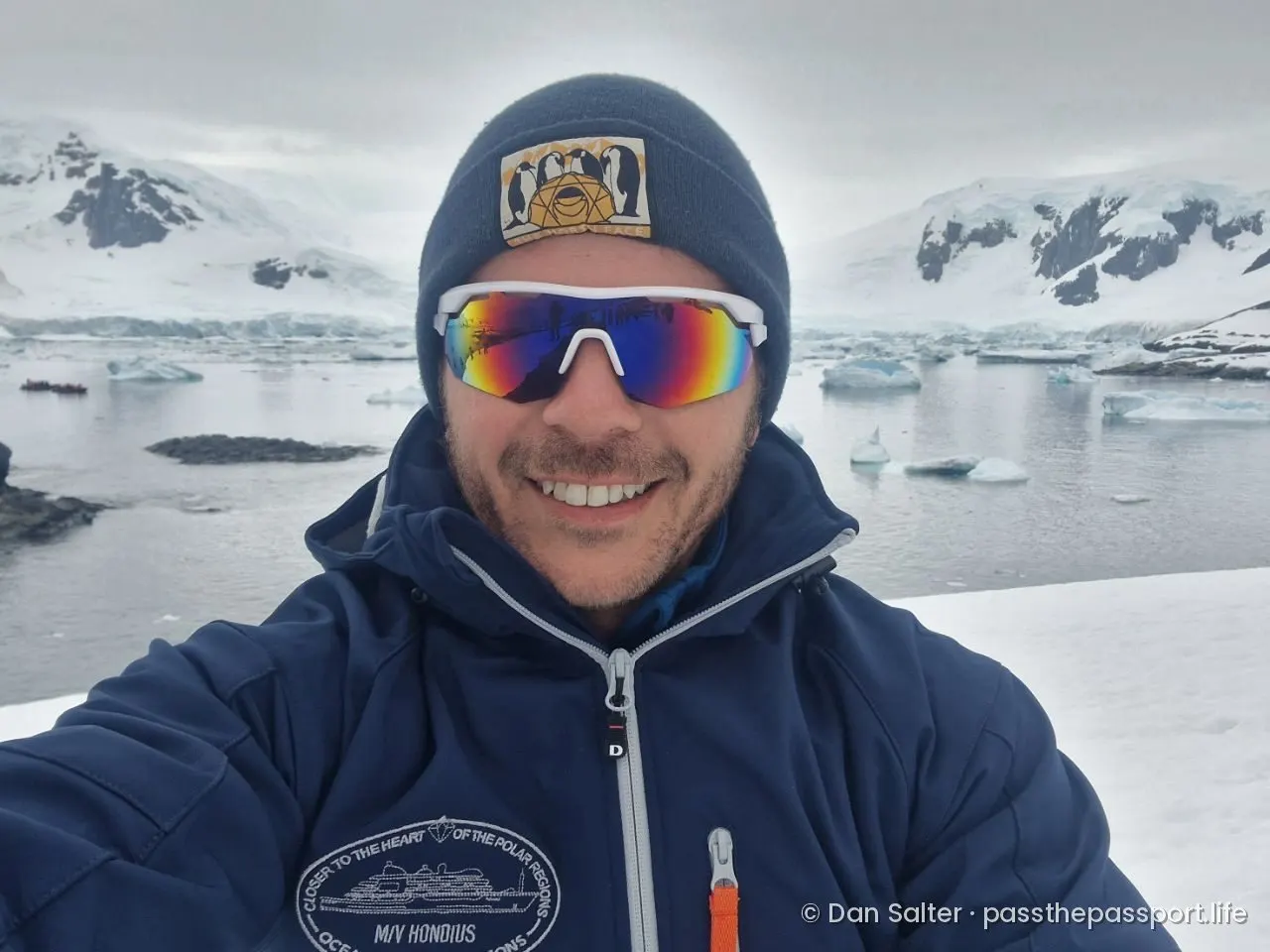
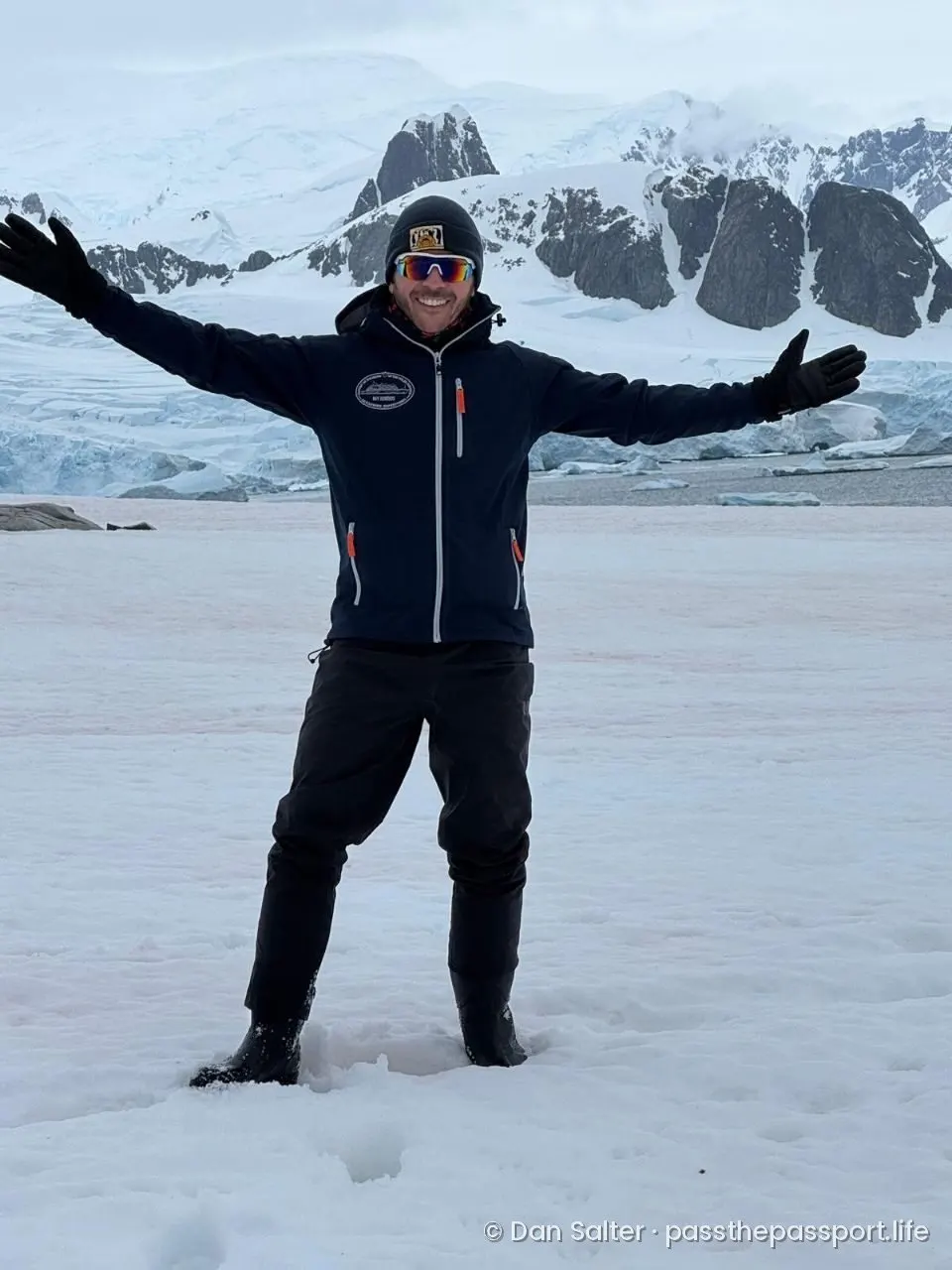
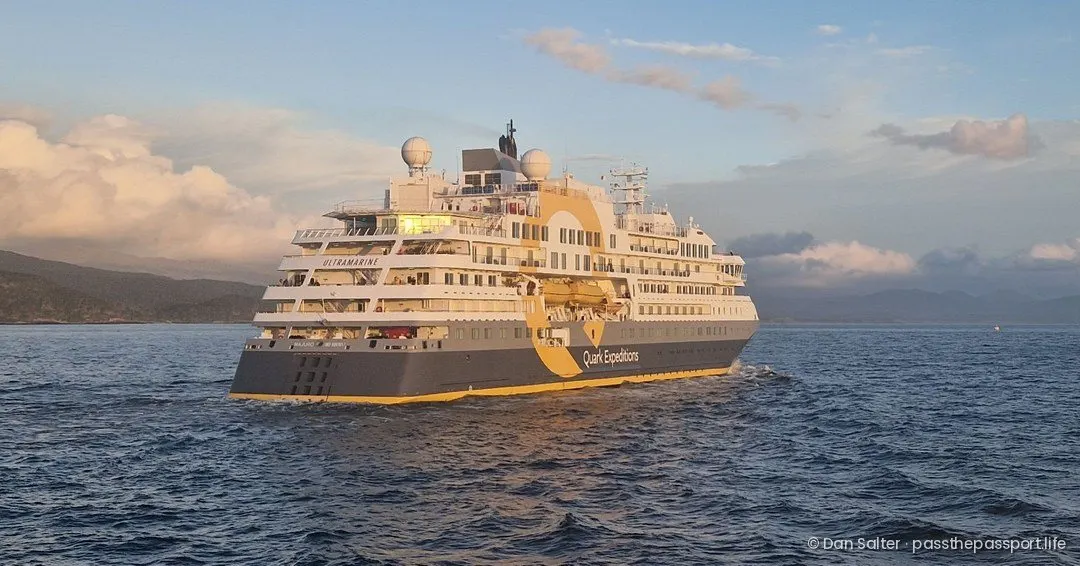
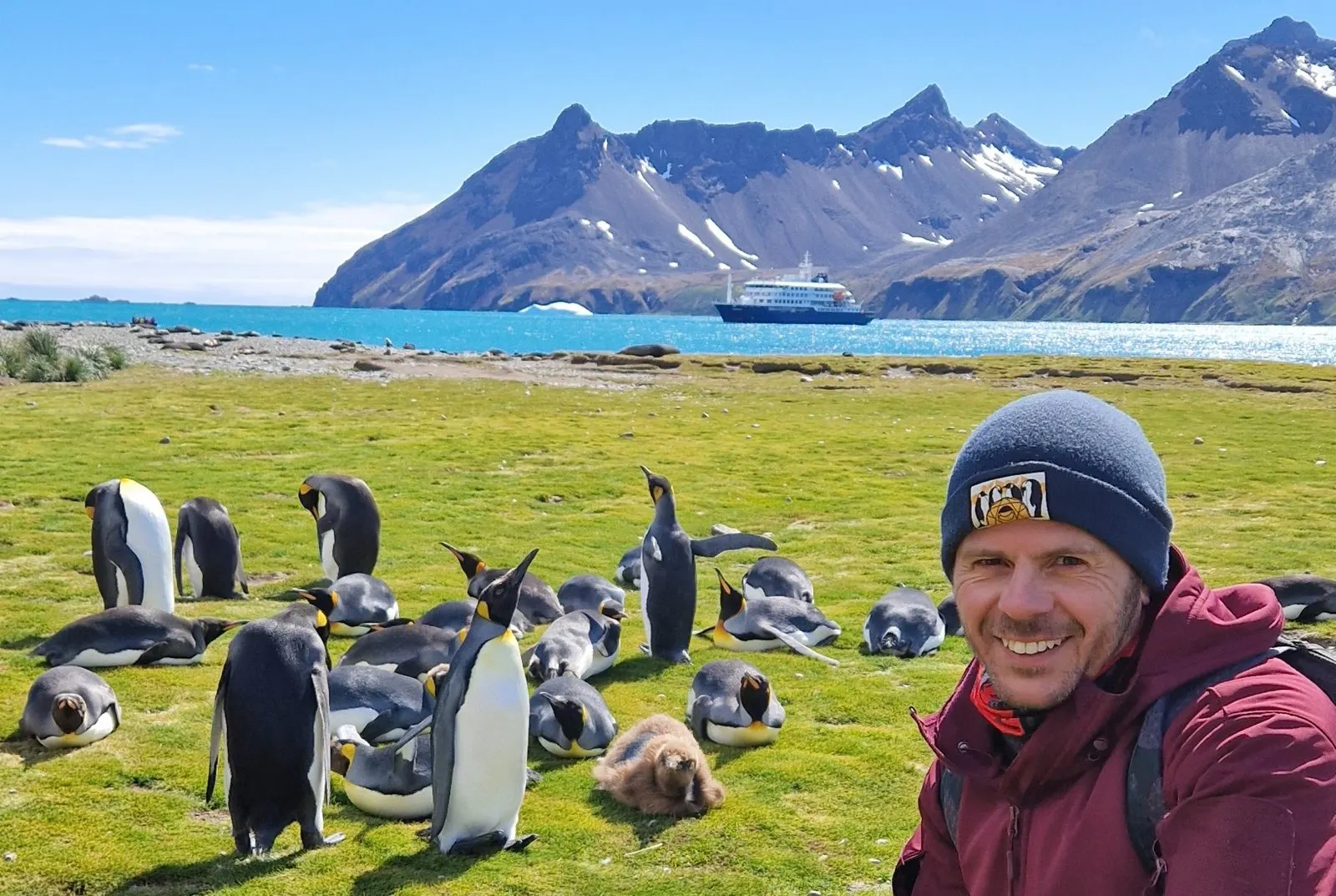
I went in December 2024 on the Hondius, an expedition of almost three weeks from Ushuaia via the Falklands and South Georgia. It ticked off continent number seven, and it was an absolute pleasure and a privilege.
In the Falklands there were rockhoppers on New Island and gift shops in Stanley. South Georgia was something else: king penguins and their fluffy brown chicks at Fortuna Bay, around half a million kings at St Andrews Bay, a white Christmas at Gold Harbour, and chinstraps and macaronis at Cooper Bay. We also paid our respects at Shackleton's grave in Grytviken.
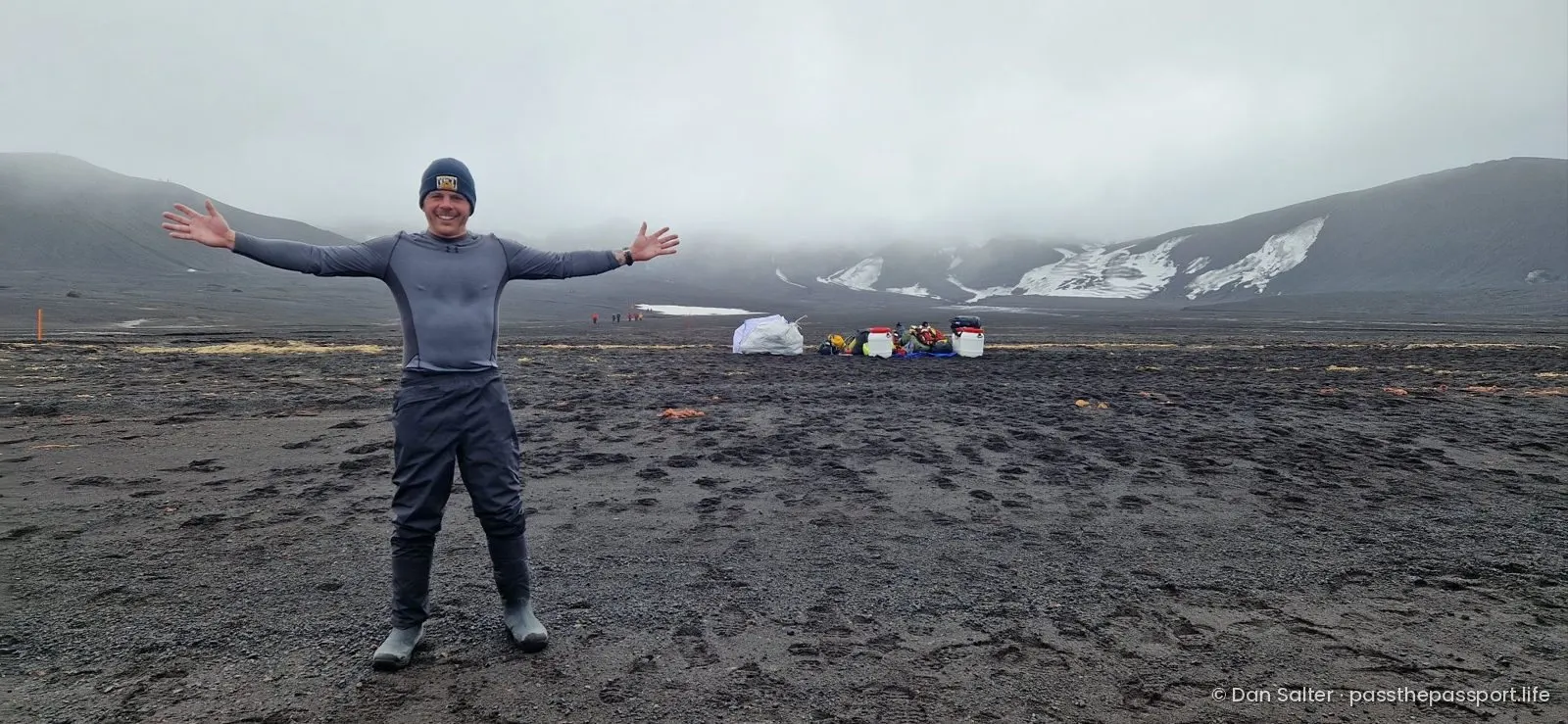
We couldn't get to the South Orkneys because of sea ice, so instead we sailed past A23a, an iceberg around 35 miles long, and crossed 60 degrees south to Elephant Island and Point Wild. At Deception Island I enjoyed the hike so much I ran a lap in my wellies, then did the polar plunge. On New Year's Eve we sailed the Lemaire Channel (wow), watched whales at Cape Tuxen and stepped onto the Antarctic mainland itself. New Year's Day meant humpbacks, leopard seals and penguin chicks just a day old.
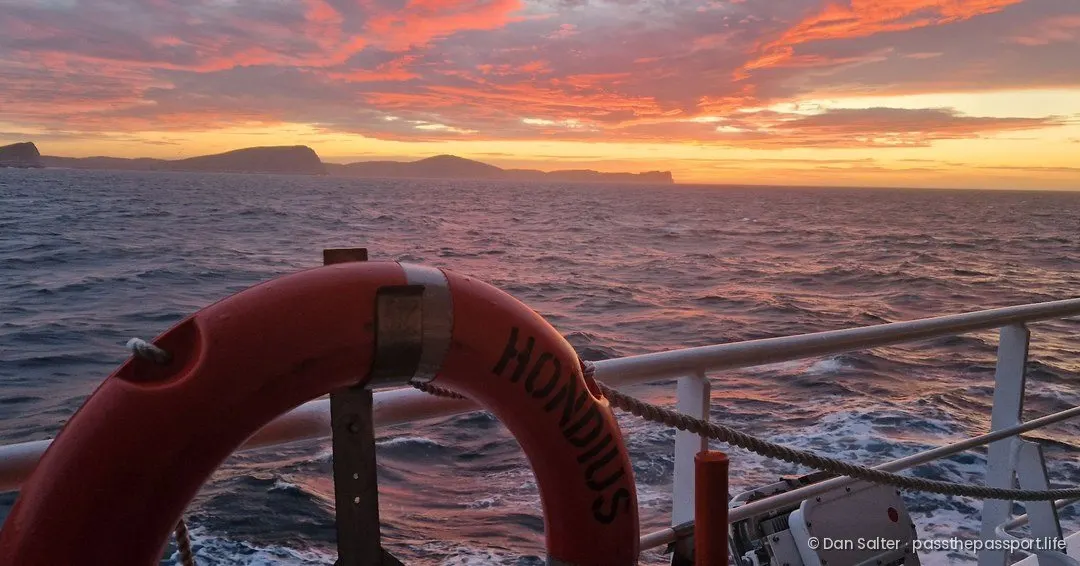
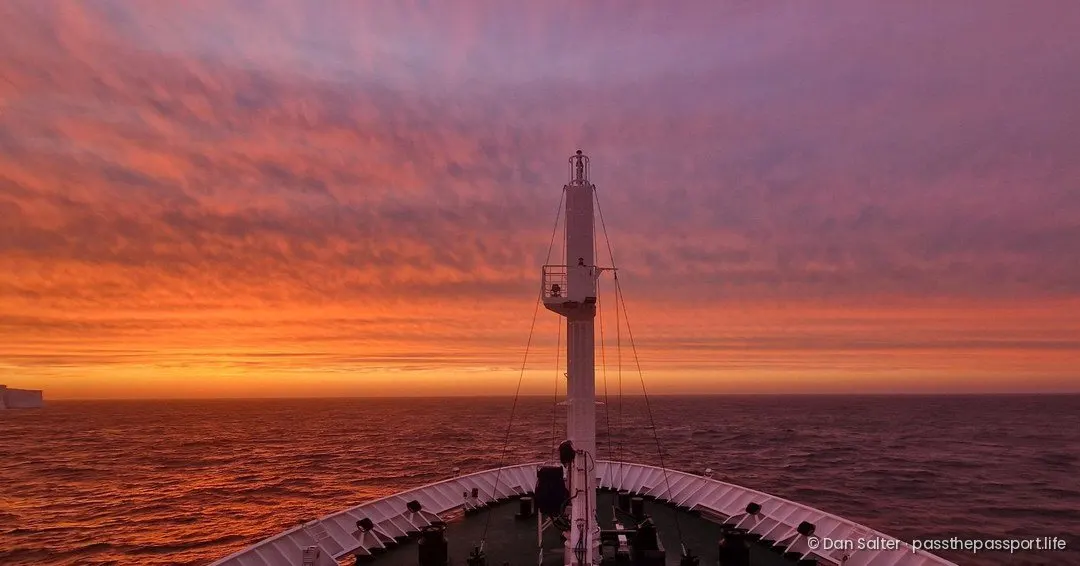
The Drake Passage home had swells of up to 8 metres. I also won the ship's photo competition in the landscape category with a sunset shot, so I'll take that.
Interesting facts
- The lowest temperature ever recorded on Earth, −89.2°C, was measured at Russia's Vostok Station in 1983.
- The highest point is Mount Vinson, at 4,892 m.
- Parts of the interior are technically a desert, with less precipitation than the Sahara.
- If all of Antarctica's ice melted, sea levels would rise by about 58 metres.
- There are no time zones as such: research stations usually keep the time of the country that supplies them.
Run a marathon in Antarctica
Antarctica Marathon
King George Island · usually March
Reached by expedition ship from Argentina, with places booked years ahead. For something even more extreme, the Antarctic Ice Marathon is run in December near the South Pole.
Dates move from year to year, so check the race website before you book.
Plan your trip to Antarctica
More: antarctic and arctic expeditions
- Antarctic and Arctic expeditions Oceanwide Expeditions
Affiliate links: if you book through them I may earn a small commission, at no extra cost to you. More.
Neighbours
No land borders with other countries.
Over to you
Have you been, or is it on your list? Ask me anything about it, or share a tip, in the comments.