
Travel insurance for adventure sports: what to check
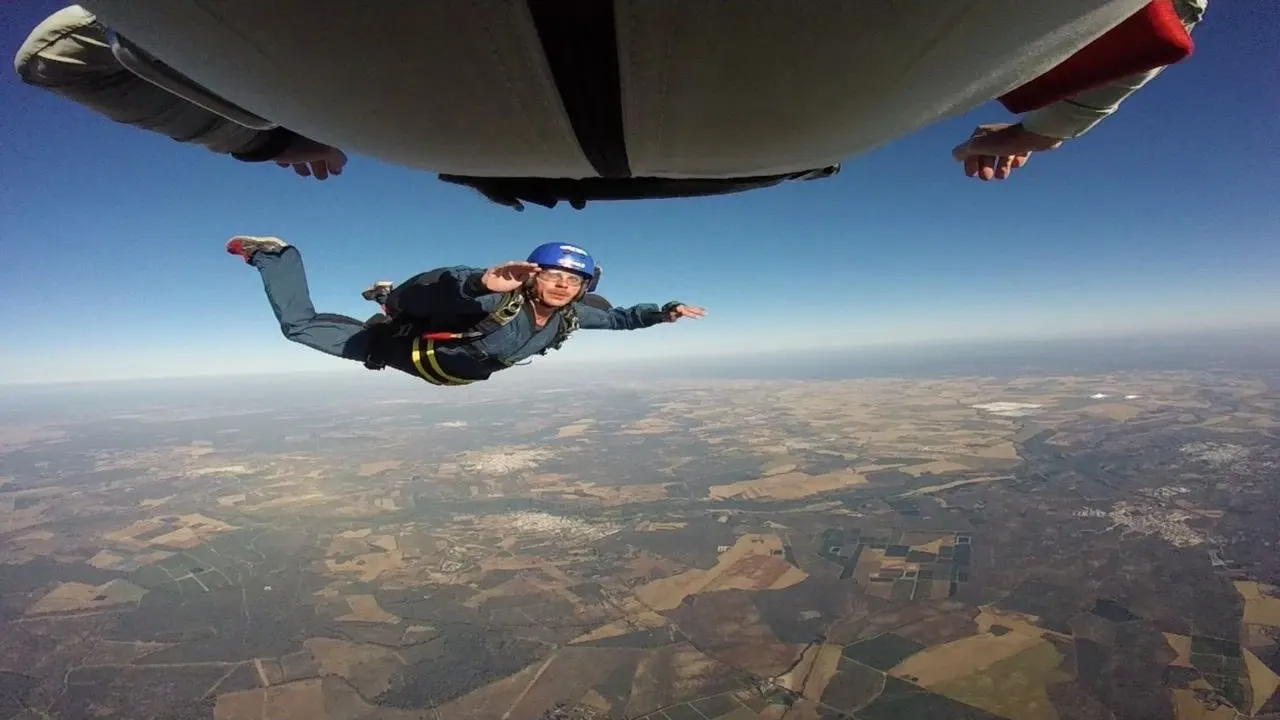
I've jumped out of planes, bungee jumped, cycled the Death Road and spent months on an overland truck through Africa. None of that is what a cheap travel insurance policy has in mind.
I'm not an insurance expert, and every policy is different, so read the wording on yours. But these are the things worth checking before you buy cover for an adventurous trip.
1. Is your activity actually covered?
Most policies have a list of activities they cover as standard, and a list they don't. Skydiving, bungee jumping, paragliding, white-water rafting and diving often sit on the second list, or need an add-on. Search the policy for the exact thing you're doing. "Adventure sports" on the front page doesn't mean all of them.
2. Altitude limits on trekking
Lots of policies only cover trekking up to a certain height, often somewhere between 2,000 and 4,000 metres, or need you to pay more above that. Kilimanjaro, Everest Base Camp and the Inca Trail's Dead Woman's Pass are all higher than the lower limits. Check the number.
3. Diving depth
If you dive, check how deep you're covered to, and whether it depends on your qualification. Going deeper than your certificate allows can void the cover.
4. Medical cover and getting you home
This is the bit that matters. A helicopter rescue or a flight home on a stretcher can cost tens of thousands. Look for high medical cover and repatriation (getting you home) included. On remote trips, check search and rescue is covered too.
5. Your GHIC isn't travel insurance
The UK Global Health Insurance Card gets you state healthcare in the EU and some other countries at the same price as locals. It doesn't cover private treatment, rescue, or getting you home. Take it, but don't rely on it.
6. Travel advice
If the UK government (FCDO) advises against travel to where you're going, most policies won't cover you there. Some of the places on my list fall into that, so check the FCDO travel advice before you book anything.
7. The small print that catches people
- Alcohol: a lot of policies won't pay out if you were drunk when it happened.
- Pre-existing medical conditions: declare them, or the whole policy can be worthless.
- Riding a moped or motorbike: you often need a licence for it at home, and a helmet.
- Your stuff: check the limit per item if you're taking a decent camera or laptop.
Single trip or annual?
If you go away more than a couple of times a year, an annual multi-trip policy is usually cheaper than buying one each time. Check the maximum length of a single trip, though. A long overland trip can be longer than an annual policy allows, so you might need a backpacker or long-stay policy instead.
What I use
I always use World Nomads, and always have. It's built for this sort of trip, and it's great to have the peace of mind.
I've actually never claimed. Nothing has ever gone wrong enough that I've felt the need to, and by now I'm pretty good at just sorting shit out and getting on with it. But that's exactly why you have it: for the one time you can't.
If you need ideas, my biggest adrenaline hits are a good place to start. Sort the insurance first, then book the adventure. And go and do the thing that scares you.


Over to you
Have you ever had to claim on travel insurance abroad? Tell me how it went in the comments.