
See Lemurs In Madagascar
Still to do
Wake to the eerie song of the indri and watch sifakas dance across the ground on two legs.
The adventure
Early in the morning in Andasibe's rainforest, a sound like a whale's song drifts through the trees. It's the indri, the largest lemur, a black-and-white teddy bear of an animal that calls to its neighbours across the forest each morning.
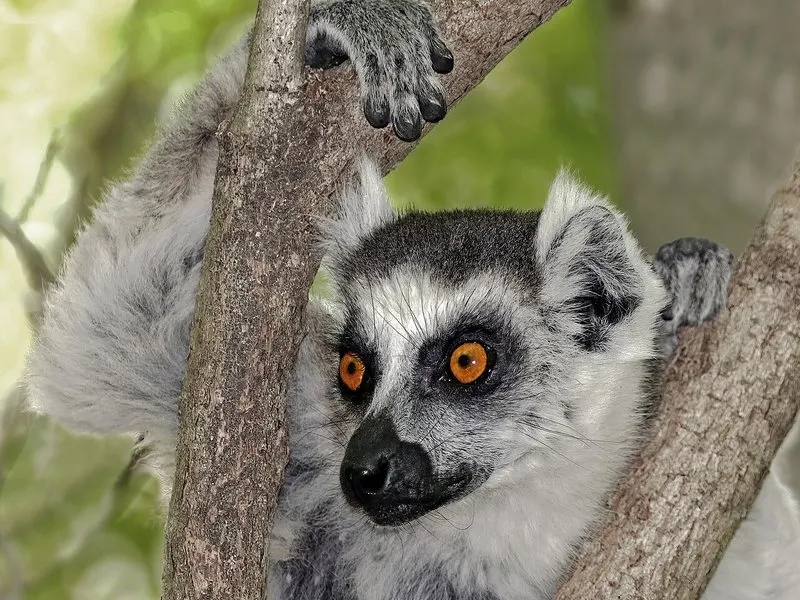
Madagascar split from Africa and India millions of years ago, and its wildlife went its own way. More than 100 kinds of lemur live here and nowhere else: ring-tailed lemurs sunbathing on rocks in the south, sifakas bounding sideways across open ground on two legs, and mouse lemurs small enough to sit in your hand, glimpsed by torchlight at night. Add chameleons, the baobab trees and the island's strange, spiny forests, and it feels like another planet.
Why it’s epic
- Indri in Andasibe-Mantadia National Park.
- Dancing sifakas and ring-tailed lemurs.
- Night walks for mouse lemurs and chameleons.
- The Avenue of the Baobabs, already on the list.
What it is
Lemurs are found in the wild only on Madagascar, which has more than 100 species, from tiny mouse lemurs to the indri, the largest, whose song carries for kilometres.
How to do it
Join a tour or hire a driver-guide to travel between national parks. Local guides inside the parks know where to find the lemurs.
Top tip
Go out on a night walk to see the mouse lemurs and chameleons that hide by day.
Need to know
- Roads are slow and rough; allow time between parks.
- UK visitors need a visa, available on arrival or online.
- Check malaria advice before you go.
Plan this trip
- Rough cost
- £2,000 to £5,000 per person, including flights from the UK
- Time needed
- 2 weeks
- Best time to go
- April to November
- Fly into
- TNR airport
Internal travel and drivers are the main costs.
Make it happen
Why it’s on my list
Not done yet. If you’ve done it and have tips, tell me about it.
Comments