

Explore The Galapagos Islands
Ticked off in April 2016
Sea lions nap on park benches, iguanas swim and giant tortoises amble past, all completely unbothered that you are there.
The adventure
The Galápagos is the one place on Earth where the animals simply don't care about you. Step off the boat and you are picking your way between sea lions sprawled across the landing, while blue-footed boobies perform their slow, high-stepping courtship dance a metre away and marine iguanas sneeze salt from black lava rocks.
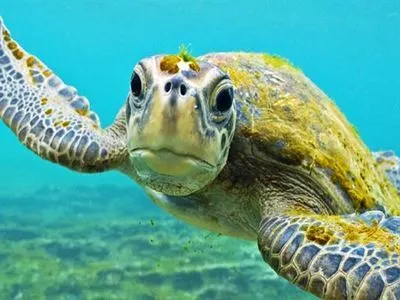
Underwater it gets even better. Snorkel off Isabela or Bartolomé and you can find yourself swimming alongside green turtles, penguins darting past like bullets, playful sea lion pups and, if you are lucky, hammerhead sharks cruising in the blue below. Back on land, giant tortoises graze in the misty highlands of Santa Cruz, the same creatures that helped a young Charles Darwin begin to piece together the theory of evolution.
Why it’s epic
- Giant tortoises that can live for well over 100 years, roaming wild in the Santa Cruz highlands.
- Marine iguanas, the only lizards in the world that feed in the sea.
- Galápagos penguins, the only penguins that live naturally north of the equator.
- About 97 percent of the islands' land is national park, and Darwin's 1835 visit shaped On the Origin of Species.
What it is
The Galápagos Islands inspired Darwin's theory of evolution and have wildlife found nowhere else, often completely unafraid of people.
How to do it
Fly from Quito or Guayaquil to Baltra or San Cristóbal. Explore on a liveaboard cruise or island-hop from Santa Cruz and Isabela.
Top tip
Bring cash for the national park entry fee, which is paid on arrival.
Need to know
- Visitors pay a national park fee in cash on arrival and buy a transit control card at the airport in Quito or Guayaquil before flying out.
- Many sites can only be visited with a licensed naturalist guide, and cruise itineraries are set by the park authority.
- The warm season (December to May) has calmer seas; June to November is cooler, with richer marine life thanks to the Humboldt Current.
Plan this trip
- Rough cost
- £2,000 to £5,000 per person, including flights from the UK
- Time needed
- 5 to 10 days
- Best time to go
- All year
- Fly into
- GPS airport
Liveaboard cruises and the island flights from mainland Ecuador are the big costs; land-based island hopping is cheaper.
Sample itinerary
- Day 1Fly to Quito or Guayaquil, Ecuador
- Day 2Fly to Baltra or San Cristóbal and board your boat or check into Santa Cruz
- Days 3–6Island hopping: giant tortoises, marine iguanas, blue-footed boobies and snorkelling with sea lions
- Day 7Charles Darwin Research Station, then fly back to the mainland
Do it yourself
- Small-group adventuresMuch Better AdventuresActive small-group trips run by local experts.
- Tours and ticketsGetYourGuide
- FlightsKiwi.com
Some of these are affiliate links: if you book through them I may earn a small commission, at no extra cost to you. More about this.
My experience
Ticked off, but the full story is still to be written up.
Comments