Learn To Fly
Still to do
The day your instructor climbs out and says it's all yours, you fly your first solo circuit with nobody next to you.
The adventure
For as long as I can remember I've been obsessed with planes, the bigger the better. Being a passenger with your feet up is great, but it's not the same as being in the pilot's seat with the best view in the house. I've had a taste: the co-pilot seat of a four-seater Cessna flying into Canaima National Park in Venezuela, and a small tourist plane round the fjords of Alaska.
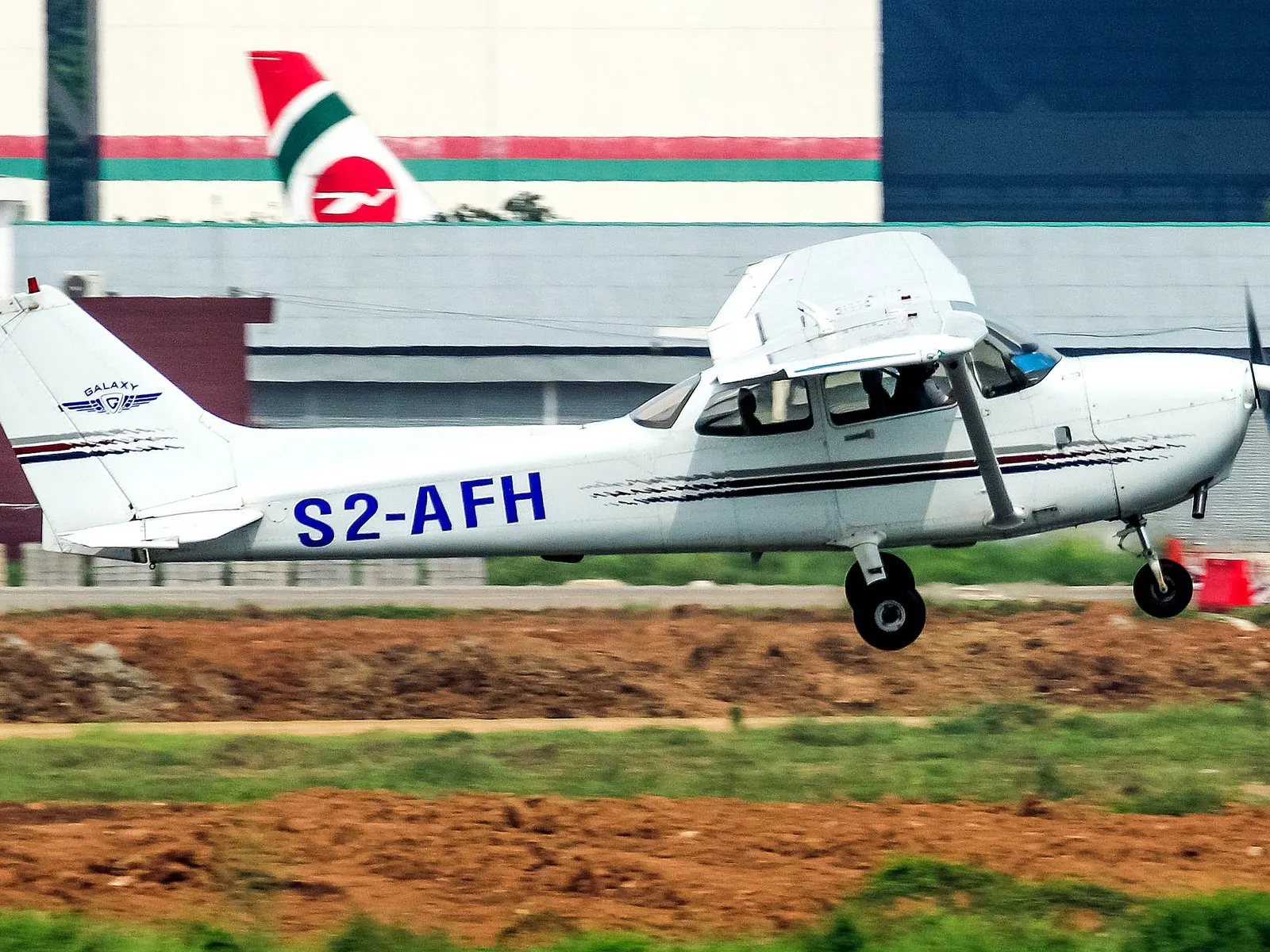
Your first lesson starts with a walk round a small, slightly battered training plane, checking fuel, oil and the control surfaces. Then you're lined up on the runway, the throttle goes forward, and at around 60 knots a gentle pull on the yoke lifts the world away. Within minutes the instructor hands you the controls. The months after are a mix of joy and hard graft: radio calls, crosswind landings, stalls, navigation and nine theory exams. Then one ordinary day after a few circuits, your instructor climbs out and tells you to take it round on your own. The empty seat next to you feels massive. Take off, fly the circuit, land, and you're a pilot. Then it's lunch on the Isle of Wight, or over the Channel to France.
Why it’s epic
- A UK private pilot's licence needs at least 45 hours of flying, including at least 10 hours solo.
- Your first solo, often after 15 to 25 hours, is the moment most pilots never forget.
- Once qualified you can take passengers and fly abroad, from a coastal hop to touring Europe.
- A trial lesson lets you take the controls on day one, and can often count towards your licence hours.
What it is
Learning to fly means earning a private pilot's licence.
How to do it
Start with a trial lesson at a local flying school, then work towards a PPL.
Top tip
Get your medical before investing in lessons.
Need to know
- You need a Class 2 medical certificate to fly solo, so get it before spending heavily on lessons.
- Expect to study for nine theory exams covering subjects like air law, meteorology and navigation alongside the flying.
- Flying regularly, ideally weekly, makes progress much faster and cheaper than occasional lessons.
- Most students take six months to two years, depending on weather, time and budget.
Make it happen
Some of these are affiliate links: if you book through them I may earn a small commission, at no extra cost to you. More about this.
Why it’s on my list
For as long as I can remember, I have been fascinated by planes, the bigger the better, there is something really magical that just resonates with me about gliding through the air in a metal tube!
I’ve been incredibly fortunate to fly as much as I have, and being a passenger with your feet up is great, but its just not the the same as flying the plane, being in the pilots seat and having the best view in the house.
I have experienced the front seat –
as part of an acrobatic flight that was purchased for me as a gift
when flying into Canaima National Park in Venezuela in a 4 seater Cessna (I had the Co-pilot seat)
When flying around the Fjords of Alaska in a small tourist plane
Its an expensive thing to learn, but the reward of being able to fly yourself around the world would be incredible.
Over to you
Have you done this one? Tell me how it went, with any tips, in the comments. It's still on my list.