
See Tigers In The Wild
Still to do
Freeze in an open jeep as langurs shriek their alarm and a tiger strolls out of the jungle onto the track.
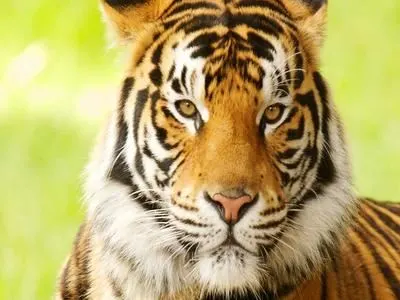
The adventure
The jeep rolls through the park gate at first light, the air still cool and dusty. For an hour there are spotted deer, peacocks and crocodiles basking by a lake, but the guide is listening, not looking. Then it comes: the sharp bark of a sambar deer and the frantic alarm of langur monkeys in the trees. Engine off. Nobody moves.
A tiger walks out of the long grass and onto the track ahead, orange and black so vivid it barely looks real. It doesn't hurry and it doesn't look at you; it simply owns the road, scent-marks a tree and melts back into the forest. In Ranthambore, tigers sometimes pad through the ruins of a 10th-century fort or stalk prey at the edge of the lakes, which makes the backdrop as unforgettable as the cat itself.
Why it’s epic
- India is home to around three quarters of the world's wild tigers.
- Ranthambore's tigers roam among old fort walls, lakes and ruined pavilions.
- Bandhavgarh and Tadoba are known for some of the highest chances of a sighting in India.
- Leopards, sloth bears, wild dogs, gaur and crocodiles share the same parks.
What it is
Tigers are elusive, but India's national parks offer the best chance of seeing them.
How to do it
Ranthambore, Bandhavgarh, Kanha and Tadoba are known for sightings.
Top tip
Book several safari drives to improve your chances.
Need to know
- Safari permits are issued for set zones and times and sell out, so book them as soon as booking opens, often months ahead.
- Core zones of most parks close during the monsoon, roughly July to September; April to June is hot but best for sightings.
- British visitors need an Indian e-Visa, applied for online before you travel.
- Book several drives; even in the best parks, a sighting is never guaranteed.
Plan this trip
- Rough cost
- £2,000 to £5,000 per person, including flights from the UK
- Time needed
- 3 to 5 days
- Best time to go
- October to June
- Fly into
- JAI airport
Safari permits are inexpensive, but flights to India, good lodges and multiple drives add up.
Sample itinerary
- Day 1Fly to Delhi and take the train to Sawai Madhopur for Ranthambore, or fly to Jabalpur for Bandhavgarh or Kanha
- Days 2–4Two jeep safaris a day, morning and afternoon, each one a new chance to see a tiger
- Day 5Back to Delhi, or on to Jaipur or Agra
Make it happen
Some of these are affiliate links: if you book through them I may earn a small commission, at no extra cost to you. More about this.
Why it’s on my list
I am a quarter Indian – my Grandfather is Indian, and currently resides in Kolkata, West Bengal. He has seen tigers in the wild many times, and I quite frankly am jealous – I love big cats! To see tigers in the wild is the ultimate nature experience – that is if you can find them!
According to WWF, approximately 3,200 tigers exist in the wild, and of those only 300 are Sumatran, 450 are Amur or Siberian tigers (the largest sub-species in size), and Bengal tigers number under 2,500
Comments