
See Giant Pandas In Chengdu
Still to do
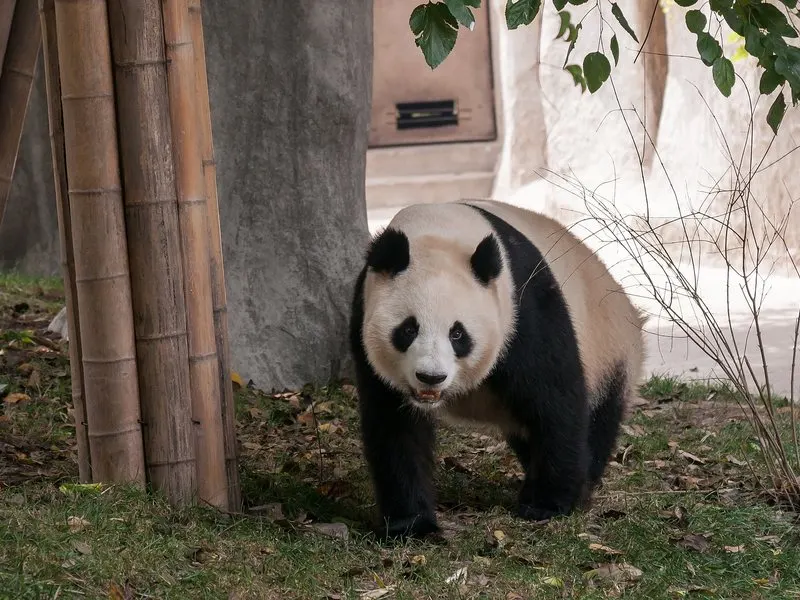
Watch giant pandas munch bamboo and young cubs tumble over each other in the misty hills of Sichuan.
The adventure
In the early morning, when the bamboo has just been delivered, the pandas are at their best. They sit propped against trees, holding stalks in their paws and stripping them with their teeth, munching steadily through the pile. Some climb, some roll, and in the cub enclosures young ones wrestle and fall out of trees.
Giant pandas eat for up to 14 hours a day and live wild only in the mountains of central China. Breeding centres like Chengdu's have played a big part in their comeback, and in 2016 they were moved from endangered to vulnerable. There are red pandas here too, bright russet and bushy-tailed. It's impossible not to stand there smiling.
Why it’s epic
- Giant pandas feeding in the morning.
- Cubs in the nursery, especially in late summer and autumn.
- Red pandas in the same park.
What it is
The Chengdu Research Base of Giant Panda Breeding has helped bring pandas back from the brink. It has dozens of giant and red pandas in large enclosures.
How to do it
Go first thing in the morning, when the pandas are fed and most active. The base is about half an hour from central Chengdu.
Top tip
Head straight to the cub nursery and the younger pandas' enclosures; by midday most of them are asleep.
Need to know
- Arrive at opening time; pandas sleep most of the afternoon.
- UK visitors may be able to enter China visa-free for short stays; check the rules.
- Chengdu is also the gateway to Leshan's Giant Buddha and Mount Emei.
Plan this trip
- Rough cost
- £750 to £2,000 per person, including flights from the UK
- Time needed
- Half a day
- Best time to go
- March to June and September to November
- Fly into
- TFU airport
Entry is cheap; flights to China are the main cost.
Make it happen
Why it’s on my list
Not done yet. If you’ve done it and have tips, tell me about it.
Comments