
Bucket List / Experience Goals
Experience Dia De Los Muertes Festival
Still to do
Candlelit cemeteries, marigold carpets and painted skull faces, as Mexico welcomes its dead home for a few nights.
The adventure
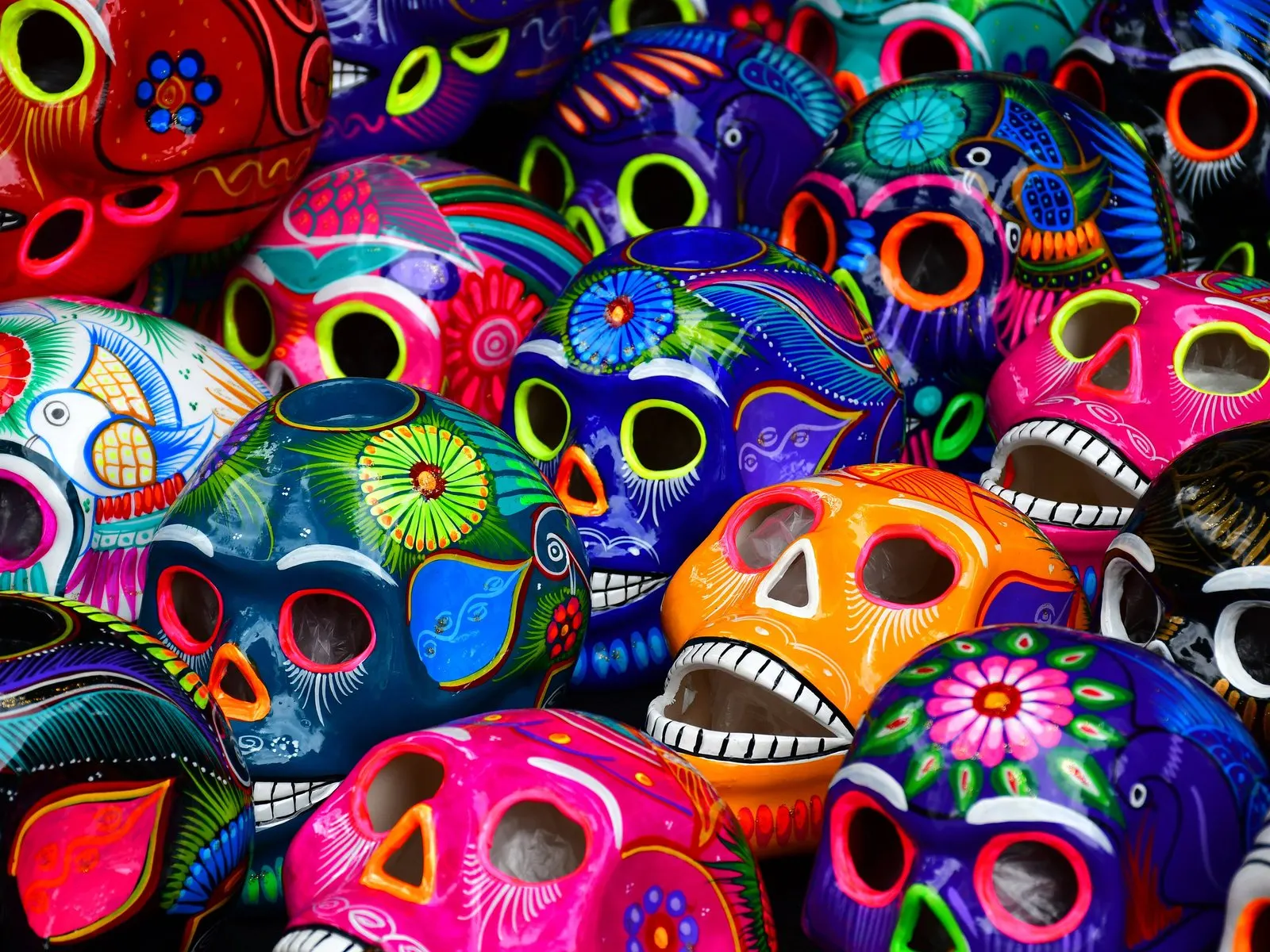
In the days before, Mexico goes orange. Markets are piled with marigolds, sugar skulls and pan de muerto, a slightly sweet bread made just for this, and families build altars at home with candles, photos and the favourite food of the people they've lost. The smell of copal incense hangs in the streets. The tradition is that the souls of children come back on 1 November and adults on 2 November.
At night the cemeteries fill up. In Oaxaca, families sit by graves covered in flowers and hundreds of candles, sharing food, drink and stories, while mariachi bands wander between them taking requests. Through the city, parades of skeleton costumes and Catrina face paint dance under papel picado banners. It's loud, colourful and properly moving: a party that treats death as part of life, not something to be scared of.
Why it’s epic
- UNESCO recognises Día de Muertos as part of the Intangible Cultural Heritage of Humanity.
- Bright orange cempasúchil marigolds are believed to guide spirits home with their colour and scent.
- La Catrina, the elegant skeleton lady, began as a satirical etching by José Guadalupe Posada in the early 1900s.
- Mexico City's huge parade began in 2016, inspired by the opening scene of the James Bond film Spectre.
What it is
Día de los Muertos is when families welcome back the spirits of the dead with altars, marigolds and celebrations.
How to do it
Oaxaca, Mexico City and Pátzcuaro have famous celebrations.
Top tip
Be respectful in cemeteries.
Need to know
- Hotels in Oaxaca and Pátzcuaro book up months ahead for late October and early November.
- Cemetery vigils are private family occasions; ask before photographing people or graves.
- Most visitors fly into Mexico City and continue by bus or a short flight to Oaxaca.
Plan this trip
- Rough cost
- £2,000 to £5,000 per person, including flights from the UK
- Time needed
- 3 days
- Best time to go
- 31 October to 2 November
- Fly into
- MEX airport
Festival demand pushes up hotel prices, and long-haul flights to Mexico add the rest.
Make it happen
Some of these are affiliate links: if you book through them I may earn a small commission, at no extra cost to you. More about this.
Why it’s on my list
Día de Muertos, or day of the dead in English, celebrates the lives of the deceased. Those who celebrate it believe that at midnight on October 31, the souls of all deceased children come down from heaven and reunite with their families on November 1, and the souls of deceased adults come visit on November 2.
The celebration originated in central and southern Mexico. Families make colourful altars in their homes in honour of their deceased loved ones, and the altars are decorated with flowers, candles, their loved one’s favourite food and pan de muerto (a slightly sweet bread specifically made for this time).
The festivities continue in the cemetery, where families bring picnics, play music and sometimes even spend the night as a way to celebrate the lives of those who are no longer on this earth.
More about Mexico: travel guide, my photos and races.
Over to you
Have you done this one? Tell me how it went, with any tips, in the comments. It's still on my list.