
Visit Socotra Island
Still to do
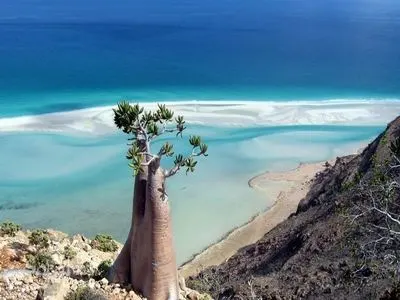
Umbrella-shaped dragon's blood trees, bottle trees and empty white beaches on an island that feels like another planet.
The adventure
Socotra sits alone in the Arabian Sea, and it has been cut off for so long that around a third of its plants grow nowhere else on Earth. The most famous is the dragon's blood tree, shaped like an upturned umbrella, its bark weeping deep red resin. On the Dixam Plateau whole groves of them stand on the rocky slopes, like something drawn by a child imagining an alien world.
Elsewhere, fat-trunked desert roses cling to cliffs, the Detwah Lagoon shines turquoise over pure white sand, and huge dunes pile up against the mountains at Arher. Days are spent hiking and swimming, nights mostly in simple camps under a sky crammed with stars, with almost no other travellers around.
Why it’s epic
- Around 37 per cent of Socotra's plant species are found nowhere else, and the archipelago joined UNESCO's World Heritage list in 2008.
- The dragon's blood tree's red resin has been traded as a dye and medicine since ancient times.
- Hoq Cave runs deep into the mountains, filled with huge stalagmites.
- Its reefs and lagoons hold dolphins, turtles and colourful reef fish.
What it is
Socotra is famous for its dragon's blood trees and other plants found nowhere else.
How to do it
Organised tours fly from Abu Dhabi, usually including permits and camping.
Top tip
Check UK Foreign Office advice for Yemen before booking.
Need to know
- The UK Foreign Office advises against all travel to Yemen, including Socotra, so standard travel insurance is unlikely to cover you.
- Visits are only practical with a specialist tour operator, which arranges the permit, flights from Abu Dhabi and guides.
- Facilities are basic, with camping or simple guesthouses and limited phone signal.
Why it’s on my list
Not done yet. If you’ve done it and have tips, tell me about it.
Comments