

Bucket List / Experience Goals
Sleep In A Hammock On The Beach
Ticked off
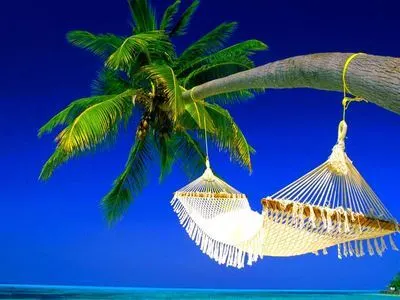
Fall asleep swaying between two palms, with the surf a few metres away and nothing above you but stars.
The adventure
The light fades, the sand cools, and the sea becomes the only clock you need. Strung between two trees at the top of the beach, a hammock cradles you just off the ground, rocking slightly in the breeze while waves break and hiss back down the shore. Without a roof or walls, the sky fills your whole view: on a clear night away from towns, the Milky Way stretches from one horizon to the other.
Sleep comes in long, salty drifts. You wake once to a passing crab, again to a moon that has swung across the bay, and finally to a pale glow over the water before sunrise. In places like Colombia's Tayrona National Park you can even rent a hammock in a thatched lookout perched on the rocks above the waves, so the first thing you see at dawn is the Caribbean.
Why it’s epic
- At Cabo San Juan in Tayrona National Park, Colombia, hammocks can be rented in a hut on a rocky outcrop above two beaches.
- Beaches in Brazil, Mexico's Caribbean coast and Southeast Asia have hammock-friendly camps and guesthouses.
- Away from light pollution, the Milky Way, shooting stars and sometimes bioluminescent plankton in the shallows.
- Waking up already on the beach, in time for sunrise and an empty shoreline.
What it is
Sleeping in a hammock on the beach means falling asleep to the sound of waves.
How to do it
Choose a quiet beach where camping is allowed.
Top tip
Bring a mosquito net.
Need to know
- Many beaches ban overnight camping, so use an official campsite or a guesthouse that rents hammocks.
- Never hang a hammock under coconut palms with fruit on them, and stay well above the high-tide line.
- Pack a mosquito net, a light blanket for the early hours and a dry bag for valuables.
- Tayrona National Park closes for a few weeks each year to let the land and Indigenous communities rest, so check dates before you go.
Do it yourself
Some of these are affiliate links: if you book through them I may earn a small commission, at no extra cost to you. More about this.
How I ticked it off
The first known instance of people sleeping in hammocks comes from writing dated back to 450 BC from a Greek student of Socrates. In more recent times, hammocks have been used in Central America, where there presence was noted by Columbus during his exploration of the Bahamas.
This simple device soon spread throughout the world and became especially popular with sailors and soldiers. Not only did hammocks provide space-saving sleeping solutions, they also kept slumbering sailors safe from pesky rats and rodents that would otherwise be tempted to crawl over them all night long.
The picturesque image of relaxing in a hammock, reading a book and listening to the sounds of the waves makes this one of the most relaxing things on my bucket list!
Comments